
Crash-Ready, Not Just Camera-Ready: Choosing Auto Body Repair Shops That Prioritize Safety
A flawless paint job can hide a lot of sins. I have inspected vehicles that looked showroom-fresh after a collision, then failed basic measurements for structural alignment. The owner thought they got a bargain. What they really got was a compromised safety cage and a future of odd tire wear, warning lights, and a car that might not protect them in another crash. Choosing the right auto body repair service is less about gloss and more about restoration of crashworthiness.
What “safe repair” actually means
Safe repair returns the vehicle to its pre-loss structural geometry, energy management, and restraint performance, not just its appearance. That includes the integrity of the unibody or frame rails, proper crush-zone behavior, correct deployment of airbags and seat belt pretensioners, and the calibration of advanced driver assistance systems. When an estimate skips OEM procedures or a shop improvises because a part is “close enough,” the car can look fine yet behave unpredictably at speed or under impact.
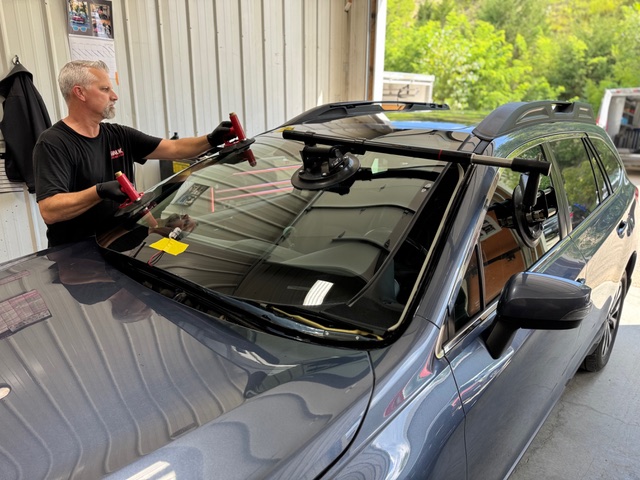
Auto glass repair is a prime example. On many late-model cars, the windshield is a structural component, contributing to roof crush strength and airbag support. A cut-rate adhesive or rushed cure time can weaken the bond. If the shop also fails to recalibrate the front camera after glass replacement, lane-keeping and automatic braking may misread the world by inches. That gap matters.
How to read a shop like a pro
When I visit auto body repair shops, I look past the front desk and walk the floor. You learn more in three minutes on the shop side than in 30 minutes of sales talk.
- Signs of rigor: dedicated frame benches or computerized measuring systems with current software, torque wrenches with calibration records, a clean mixing room for refinishing, and battery maintainers connected during scanning or programming.
- Evidence of process: repair plans printed with OEM procedure references, pre- and post-repair scan reports attached to the file, parts carts labeled by job, and weld samples or test coupons kept for each structural weld method used.
If the shop handles glass repair services in-house, ask where they get primers and urethanes and how they document safe drive-away times. If they sublet, confirm who performs the recalibration and how results are recorded. A simple, confident answer beats a vague “we handle it.”
Certifications and what they actually tell you
Certifications are not trophies, they are commitments. I-CAR Gold Class indicates ongoing technician training and access to current OEM information. OEM certifications, such as for Ford, Honda, Subaru, or Tesla, show the shop has the tools, equipment, and weld capability required by that manufacturer. None of this guarantees perfection, but it does raise the floor. Ask to see the current certificates and who on staff holds them. A single trained estimator is not enough if the technician on your car lacks the same knowledge.
Insurance direct-repair programs can be a mixed bag. Some DRP shops invest heavily in training and process, others focus on cycle time and cost. I have worked with both types. Judge the shop, not the network.
The estimate that protects you
A safety-centered auto body repair estimate reads like a plan, not a guess. It references OEM procedures for structural sectioning, rivet-bonding, or panel replacement, and includes line items for pre-scan, post-scan, dynamic or static ADAS calibration, corrosion protection, and seam sealer. It specifies one-time-use fasteners and impact sensors that must be replaced. If you see generic lines like “repair as needed” for structural items without supporting docs, press pause.
Expect the estimator to say, “We need to disassemble before finalizing.” That is honest. Hidden damage sits behind fenders and bumpers, and a proper blueprint finds it early so your timeline and budget make sense.
Glass, cameras, and the illusion of simple jobs
Windshields, side glass, and panoramic roofs look like commodity parts, yet they differ by trim and option codes. Acoustic layers, infrared coatings, and bracket positions change calibration targets and adhesive choices. A quality auto glass repair is meticulous about:

- Correct glass part number and bracket configuration, matched to VIN.
- Adhesive system with documented cure times, temperature, and humidity conditions.
When the glass is in, camera and radar calibration should follow per OEM steps. That may require specific floor space, targets, ride height checks, tire pressure set to spec, a full fuel tank, and even ballast. If a shop promises same-day glass, paint, and calibrations in every scenario, they are telling you what you want to hear, not what your car needs.
Body filler is not the enemy, sloppiness is
Filler has a place when applied thinly over properly straightened metal. The problem is when it hides unrepaired kinks or replaces a panel that should have been sectioned or replaced. I once measured a compact SUV that tracked slightly sideways after a “great” repair. The rear unibody rail was out by 5 millimeters. The car felt fine on a short drive, but emergency lane changes told a different story. The fix required pulling, measuring again, and re-sealing every seam we touched. The owner finally got a vehicle that braked straight and wore tires evenly.

Questions that change outcomes
Use these in any auto body repair service conversation:
- Which OEM procedures will you follow, and can I see them in the file?
- What measuring system will you use to verify structural alignment?
- Will you perform pre- and post-repair scans and provide reports?
- Who handles glass repair services and ADAS calibration, and how is it documented?
- What warranty do you offer on structural, paint, and glass work?
Good shops welcome these questions. They might even pull your car into a bay and show you the specifics.
The quiet markers of quality on delivery day
When you pick up the vehicle, look for consistent panel gaps, proper headlamp aim, and a steering wheel that sits straight on a level road. Run the HVAC through defrost, since a poorly mounted windshield can whistle or fog strangely. Verify there are no warning lights and ask for the paperwork package: scans, calibration sheets, paint mixing logs if available, and alignment specs. Keep these with your records. They matter for resale and for your peace of mind.
Great auto body repair is less about hiding the past and more about preparing for the future. The next panic stop, the next pothole, the next close call, all of it depends on whether the work honored the way your car was engineered to manage energy and protect people. Choose the shop that fixes for the crash you hope never comes, not just the photo you plan to share.