
Top 10 Considerations When Upgrading Your Duramax Turbo Diesel
Upgrading a Duramax turbo diesel is a rewarding path, whether you’re chasing more power for towing or aiming for better reliability over high mileage. Yet, there’s no one-size-fits-all solution. The right approach depends on how you use your truck, the year and model of your engine, and how deep you want to dig into your wallet.
Matching Your Upgrade to Your Goals
Before ordering parts, think about what you need from your Duramax. Daily drivers with occasional heavy loads will have different requirements than trucks built for sled pulling or drag racing. For instance, a mild duramax turbo upgrade might net you an extra 50-100 horsepower and quicker spool-up, while a compound setup can push power well beyond 700 hp - but at the cost of drivability and complexity.
Talk with other owners who use their trucks in similar ways. A customer I worked with once swapped turbo diesel power enhancements to a larger turbo expecting huge gains but ended up frustrated with low-end lag during city driving. After stepping back to a more moderate option, his truck felt lively again where it mattered most.
CP3 LML Conversion: When and Why?
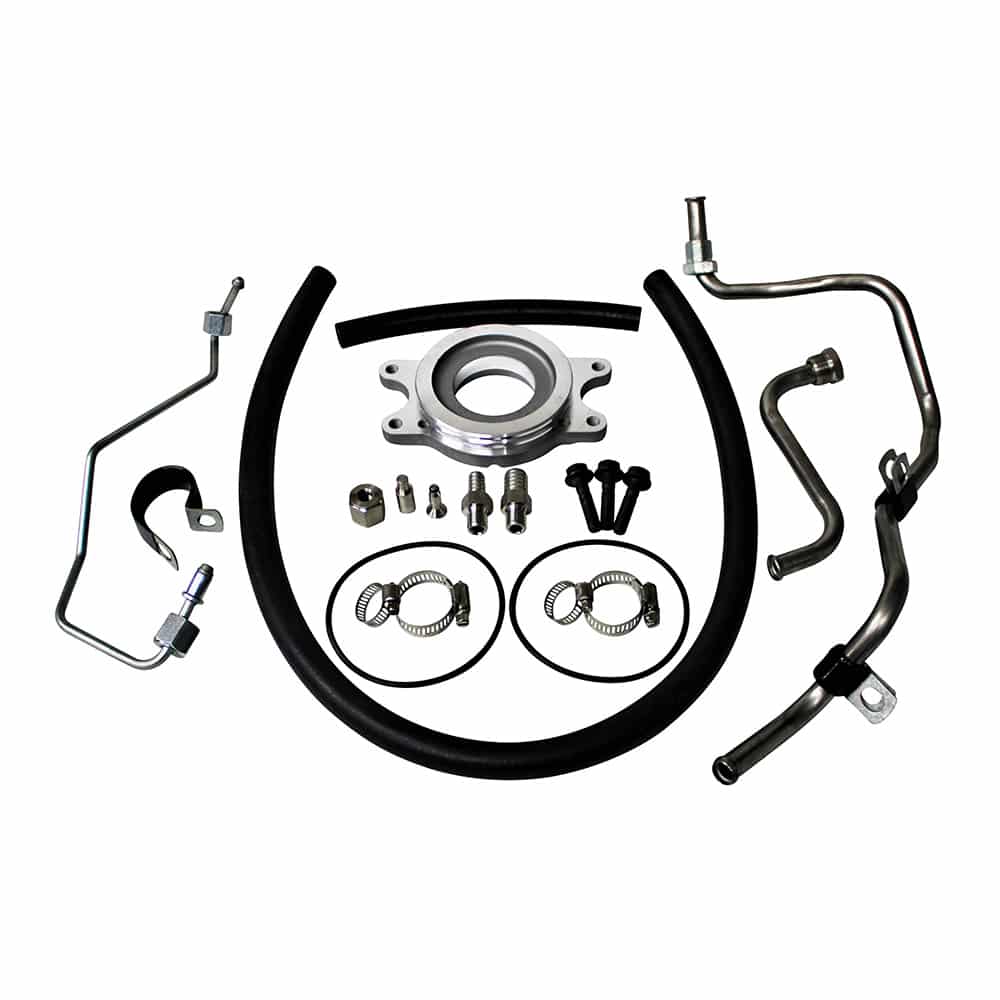
The LML generation (2011-2016) introduced the CP4 injection pump, which has developed a reputation for catastrophic failure when subjected to poor fuel or even modest tuning. Many owners opt for a cp3 lml conversion using a cp3 conversion kit. The older CP3 pump for Duramax engines is more robust under stress and less prone to self-destruction.
If you run higher horsepower tunes or plan long-term ownership, this swap adds peace of mind. It’s not strictly necessary for stock trucks, but if you’re already modifying injectors or upgrading the turbocharger, consider budgeting for this conversion early.
Supporting Modifications Matter
A bigger turbo alone won’t yield its full potential without supporting mods. Larger injectors feed additional fuel; upgraded intercoolers handle increased boost heat; free-flowing exhaust systems reduce backpressure. Neglecting these can bottleneck performance or even cause damage.
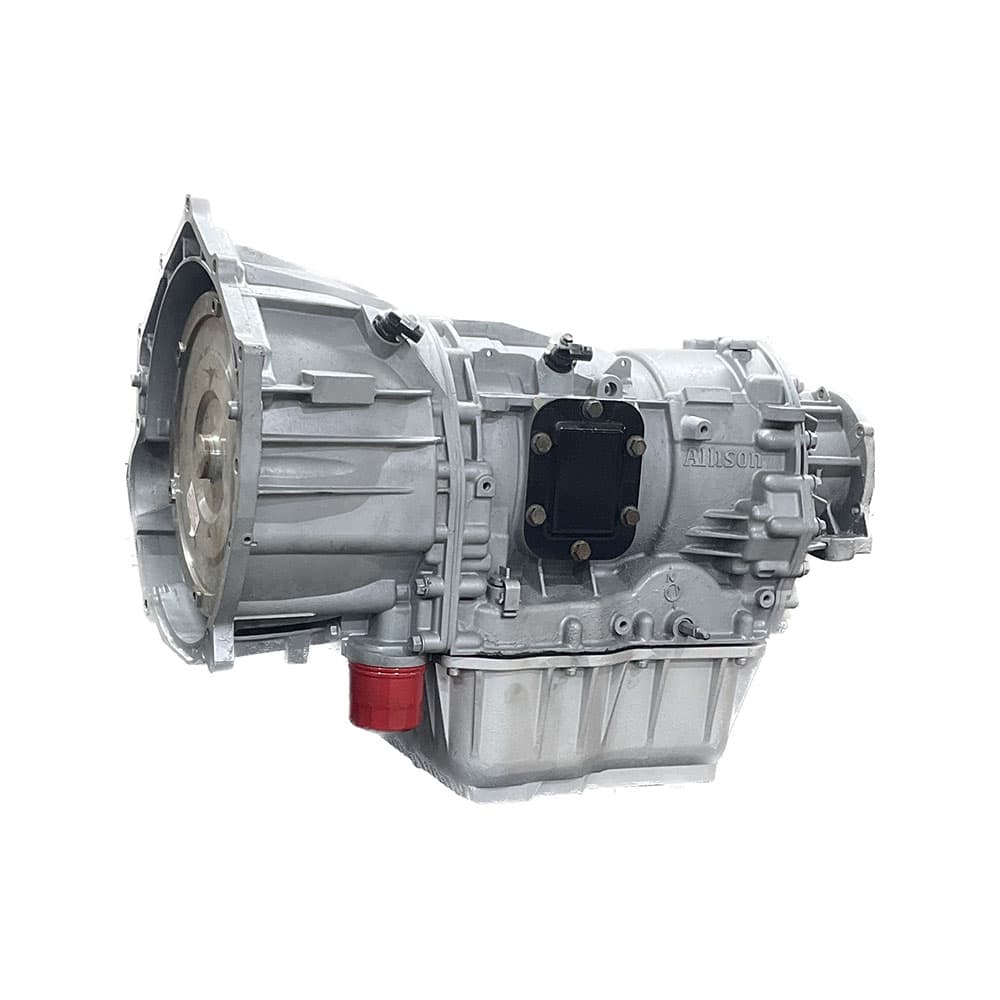
Transmission health deserves special mention. On LB7/LBZ/LMM models especially, pushing past 450-500 hp without transmission upgrades usually leads to slipping clutches and expensive repairs down the line.
Tuning: The Linchpin
No physical upgrade delivers results without proper tuning. ECM calibration ensures the engine runs safely with new hardware - timing, fuel delivery, boost targets all must work in harmony. Custom tuning often yields better drivability compared to off-the-shelf solutions.
Remote tuners can dial in your setup via data logs, but be wary of “race only” calibrations if you need emissions compliance or long-term engine health.
Budget Realities
Costs add up quickly: a quality cp3 conversion kit may run over $1,000; performance turbos can range from $1,200 for drop-ins up to $3,000-plus for compounds; transmission builds start around $4,000 if needed. Labor costs vary by region but expect several hours per major component swap unless wrenching yourself.
Here’s a quick reference table highlighting ballpark prices:
| Upgrade | Typical Cost Range | |--------------------------|----------------------| | CP3 conversion kit | $950 - $1,400 | | Drop-in turbocharger | $1,200 - $2,000 | | Compound turbo setup | $2,800 - $5,000 | | Transmission build | $4,000 - $6,500 |
Emissions Equipment: Keep or Delete?
Most modern Duramax trucks come equipped with DPFs and EGR systems that impact performance potential. Deleting emissions equipment is illegal on street-driven vehicles in most states and voids warranties instantly. If compliance is required where you live (or resale matters), focus on EPA-compliant upgrades and tuning.
That said, some owners running race-only trucks report simpler maintenance after deletions - just be clear about your intended use before crossing that line.
Fuel Quality and Filtration
Upgrades mean higher fuel demands and tighter tolerances. Poor diesel quality can ruin injectors or pumps (especially true of the CP4). Install high-quality aftermarket filtration if possible; some combine water separation with micron-level particulate removal for added insurance.
A friend lost an entire set of injectors after filling up at a small-town station during winter freeze-up - avoidable had he invested in better filtration from the start.
Cooling System Considerations
More horsepower generates more heat: coolant temps climb faster under load with big turbos or hot tunes. Consider larger radiators or upgraded fans if towing regularly in hot climates.
On one LMM build we supported last summer in Arizona hauls above 15k pounds were only sustainable after switching to a dual-core radiator paired with an auxiliary trans cooler.
Warranty Trade-Offs
Any significant modification risks voiding factory coverage - especially drivetrain components like fuel system or transmission internals. If warranty protection matters (for newer models especially), coordinate closely with service advisors before breaking out the wrenches.
Some shops offer limited warranties on their upgrades but read the exclusions carefully before counting on free fixes down the road.
Planning Your Build Sequence
Not every upgrade needs to happen at once; staggered projects let you identify weak points as they arise and spread out expenses over time. Here’s a practical sequence many successful builds follow:

Careful planning keeps surprises manageable and helps ensure each mod adds value rather than headaches.
Every Duramax build has unique challenges and rewards tied directly to real-world usage patterns and priorities. By weighing these ten factors thoughtfully - from cp3 lml conversion choices through budget realities - you’ll chart a smoother course toward reliable power gains that match your actual needs instead of someone else’s dyno sheet dreams.