
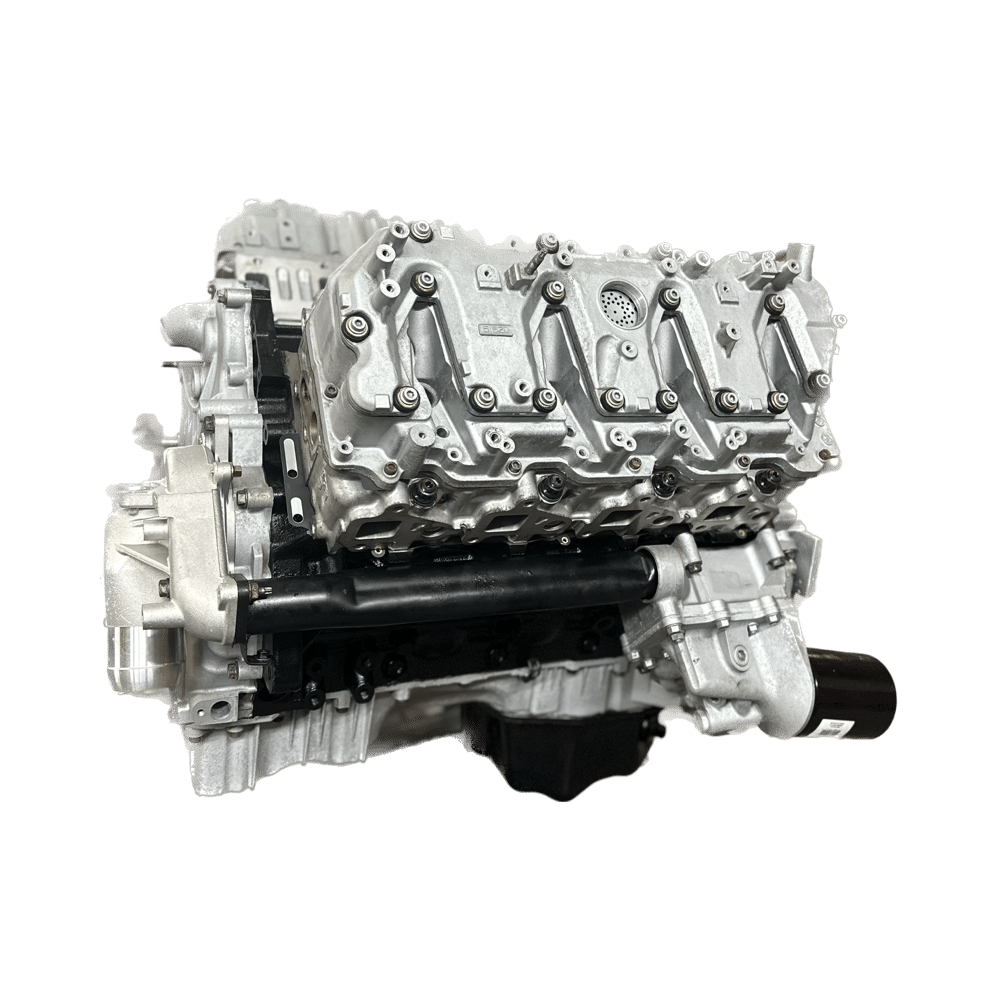
LBZ Duramax Turbo Problems: 7 Signs You Need an Immediate Inspection
Owners of the LBZ Duramax know its reputation for strength and longevity. Yet even this workhorse isn’t immune to turbocharger issues. When the turbo falters, power, reliability, and your peace of mind can evaporate overnight. Recognizing the early signs matters - a small oversight can balloon into a big repair bill or serious downtime.
Why early detection pays off
A healthy LBZ Duramax turbo keeps towing smooth and acceleration crisp, whether you’re hauling equipment or running cross-country. But like any component under pressure, the turbo wears with age and use. Missed warning signs can lead to catastrophic failure - sudden loss of boost, oil leaks into the intake, or even a total engine shutdown on the highway.
Spotting problems before they spiral saves more than cash. It avoids stranded rigs, missed deadlines, and those awkward calls to dispatch explaining why a delivery won’t make it. For anyone relying on their Duramax turbo diesel for work or play, knowing what to listen for helps keep everything rolling.
The seven warning signs: what to watch (and listen) for
Turbo problems rarely announce themselves with flashing dash lights or clear codes until things are dire. Instead, they show up in subtler ways:
Unusual Whining or Siren Noises
A steady whistle is normal under boost, but if you suddenly hear high-pitched whines that rise with RPMs - especially a siren-like howl - suspect bearing wear or compressor contact.
Sudden Loss of Power
If your LBZ feels sluggish pulling grades or merges slower than usual, the turbo might not be building proper boost pressure due to leaking seals or worn vanes.
Excessive Black Smoke
While some smoke is expected under heavy load with a Duramax turbo diesel, thick black plumes during moderate driving often signal poor air-fuel mix from insufficient boost.
Check Engine Light Paired With Performance Drop
Codes like P0299 (underboost) paired with limp mode often trace back to turbo inefficiency rather than fuel system issues.
Oil Leaks at Turbo Connections
Fresh oil around the charge pipes or compressor housing could mean internal seal failure - left unchecked this can lead to intake clogging and contamination down the line.
Boost Gauge Fluctuations
Experienced drivers sometimes install an aftermarket gauge; erratic readings while cruising typically point to sticky vanes or actuator faults.
Rattling Sounds at Idle or Spool Up
Real-world scenarios: how problems unfold
A contractor friend once called after noticing faint smoke while idling at a job site. He ignored it since performance still felt strong. Days later, his LBZ dumped oil into the intercooler mid-tow on I-80 - stranding him miles from help and costing two days’ work plus thousands in repairs for both the turbo and contaminated intake tract.
Contrast that with another owner who caught a rising pitch in his whistle during a routine checkup before towing season began. A quick inspection found endplay in the shaft and minor oil seepage; replacing just the turbo avoided further damage and saved hundreds compared to waiting for total failure.
Weighing upgrade options: stock vs performance turbos
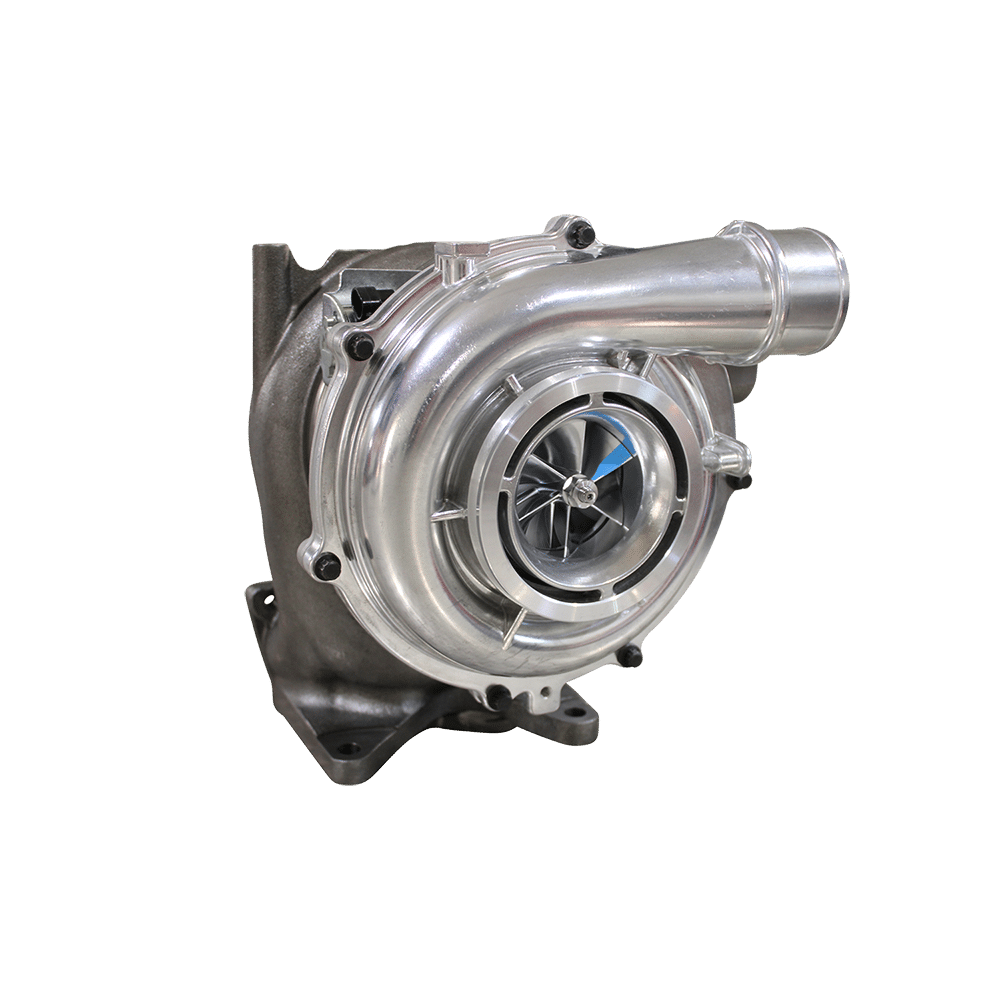
Not all failures require dropping in another stock unit. Many turn breakdowns into opportunities by considering a Duramax turbo upgrade tailored for their needs - higher towing power, improved spool-up, or greater reliability under heavy loads.
Choosing between OEM replacement and aftermarket upgrades depends on goals:
- Stock-style turbos maintain factory driveability but may not handle tuned engines well.
- Performance units offer better flow but can trade off low-end response if oversized.
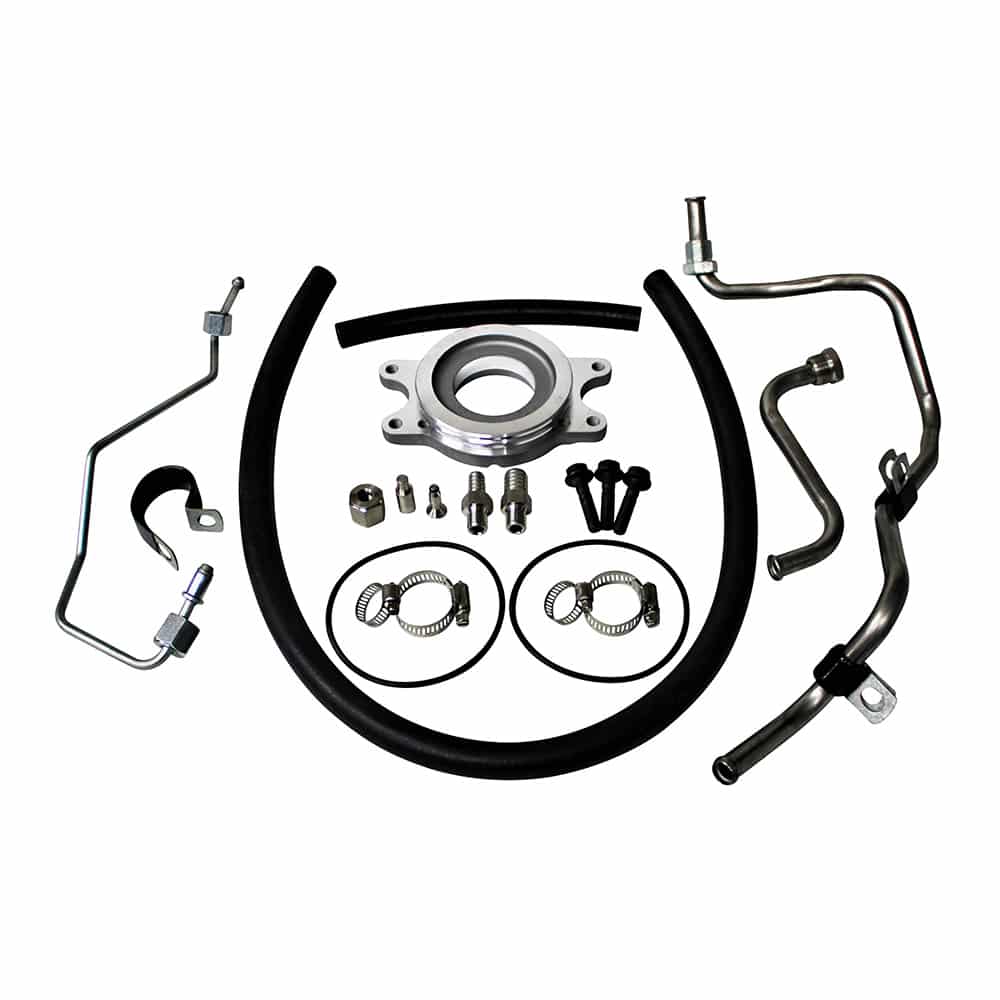
- Kits that pair CP3 pump conversions with upgraded turbos provide robust fueling for big power builds but add installation complexity and cost.
- Owners of LML models often seek cp3 lml conversion kits as part of preventative maintenance when upgrading turbos due to known CP4 pump failures.
- Selecting a cp3 pump for duramax engines provides proven reliability when paired with higher-output turbos found on tuned LBZs and LLYs alike.
Every choice involves balancing budget, intended use (daily driver vs dedicated tow rig), emissions compliance requirements, and local expertise for tuning support.
When inspection can’t wait
Turbo issues escalate fast once symptoms surface. If your LBZ shows more than one sign from above within days of each other - particularly noises accompanied by performance drops - schedule an inspection immediately at a diesel specialist familiar with Duramax systems.
Ignoring these warnings risks far more than inconvenience; it puts expensive components like pistons and intercoolers at risk too if fragments break free inside the engine’s air system.
Final thoughts from experience
Years spent wrenching on Duramax trucks have taught me that few components reward vigilance like the turbocharger does. Addressing problems early keeps costs predictable and trucks dependable whether you’re chasing contracts or adventure miles from home. Pay attention to what your engine tells you, invest in quality parts suited to your needs - whether that’s an OEM unit or a full cp3 conversion kit plus new charger - and your LBZ will deliver its trademark strength upgrading Duramax turbo for years down the road.