
How to Spot Trouble in Your Duramax Turbo LLY Before It’s Too Late
The Stakes for Duramax Owners
If you drive a GM truck with the LLY Duramax turbo diesel, you already know the engine’s reputation for stout power and reliability. But no machine is invincible, and the LLY’s turbo system has its quirks. Miss the early warning signs and small issues can spiral into costly repairs or unexpected downtime. Most owners don’t have time or money to waste on preventable failures, especially when their truck is critical for work or hauling.
Common Pain Points: What Fails and Why
The LLY Duramax turbo system often serves reliably well past 200,000 miles. Yet certain trouble spots crop up with experience. Overheating under heavy loads, loss of power at highway speeds, or a sudden spike in exhaust gas temperatures can all hint at deeper issues within the turbo assembly.
Cracked intercooler pipes are not rare once mileage climbs. Leaks here sap boost pressure and leave you chasing sluggish acceleration or excessive smoke. Vane position sensors inside the variable-geometry turbo tend to wear out, sometimes causing erratic boost control or triggering limp mode unexpectedly.
Fuel delivery is another axis of vulnerability. The stock CP3 pump for Duramax is generally tough, but as injectors age or if poor quality diesel finds its way into your tank, fuel supply can lag behind demand. Some owners opt for a CP3 conversion kit, especially those running higher horsepower tunes. The right upgrade can restore consistent fueling and stave off injector damage.
Early Warning Signs You Can’t Ignore
Catch trouble early by paying attention to changes in day-to-day behavior:
- Whistling noises growing louder under throttle could indicate developing shaft play or boost leaks.
- Persistent white or blue smoke after warm-up points toward oil seals beginning to fail inside the turbo.
- If you notice surging at steady speed, especially when towing, sticky vanes may be at fault - a known Achilles’ heel of the LLY’s variable geometry design.
- An unexplained drop in fuel economy without a corresponding change in driving habits should prompt inspection of both the air intake tract and possible EGR-related build-up.
When these symptoms show up together or worsen quickly, it’s time to park and investigate before minor issues become catastrophic failures.
Real-World Example: When Ignoring Symptoms Backfires
I once saw an ’05 Silverado 2500HD roll into our shop after weeks of “just living with” a fluttering boost gauge and intermittent check engine lights. The owner dismissed it as sensor gremlins until he lost nearly all power while climbing Wolf Creek Pass with a loaded trailer. By then, metal shavings from a failed turbo bearing had contaminated the intercooler and intake - turning what could have been an $800 repair into a job that topped $3,500 including labor and parts.
This wasn’t an isolated case. Many shops see similar scenarios every season, especially among drivers who use their trucks hard but put off diagnosis in favor of keeping schedules on track.
When Upgrades Make Sense
For those running heavier tunes or towing near max GCWRs regularly, stock hardware eventually hits its limits. A quality Duramax turbo upgrade not only restores lost performance but also adds headroom for safer operation under strain.
Likewise, late-model trucks saddled with problematic CP4 pumps have driven demand for CP3 LML conversion kits to retrofit more robust components from earlier years. While these upgrades require upfront investment - think $1,600 to $2,200 for parts alone - they pay off by preventing catastrophic failure down the road and supporting reliable high-output performance.

Here are a few situations where investing in an upgrade makes particular sense:
Many experienced owners report smoother operation and longer service intervals after such upgrades - provided installation follows torque specs and proper break-in procedures.
Diagnostic Habits That Pay Off
Routine checks save headaches later on older Duramax engines:
Open up intake tubing every oil change to check for excessive oil residue or shaft movement at the compressor wheel; neither should be present in healthy units. Scan for stored DTCs even if no warning lights appear – many intermittent problems leave clues long before they lead to visible symptoms.
Keep records of fuel filter changes and use only filters rated specifically for Duramax systems; skimping here invites injector headaches later.
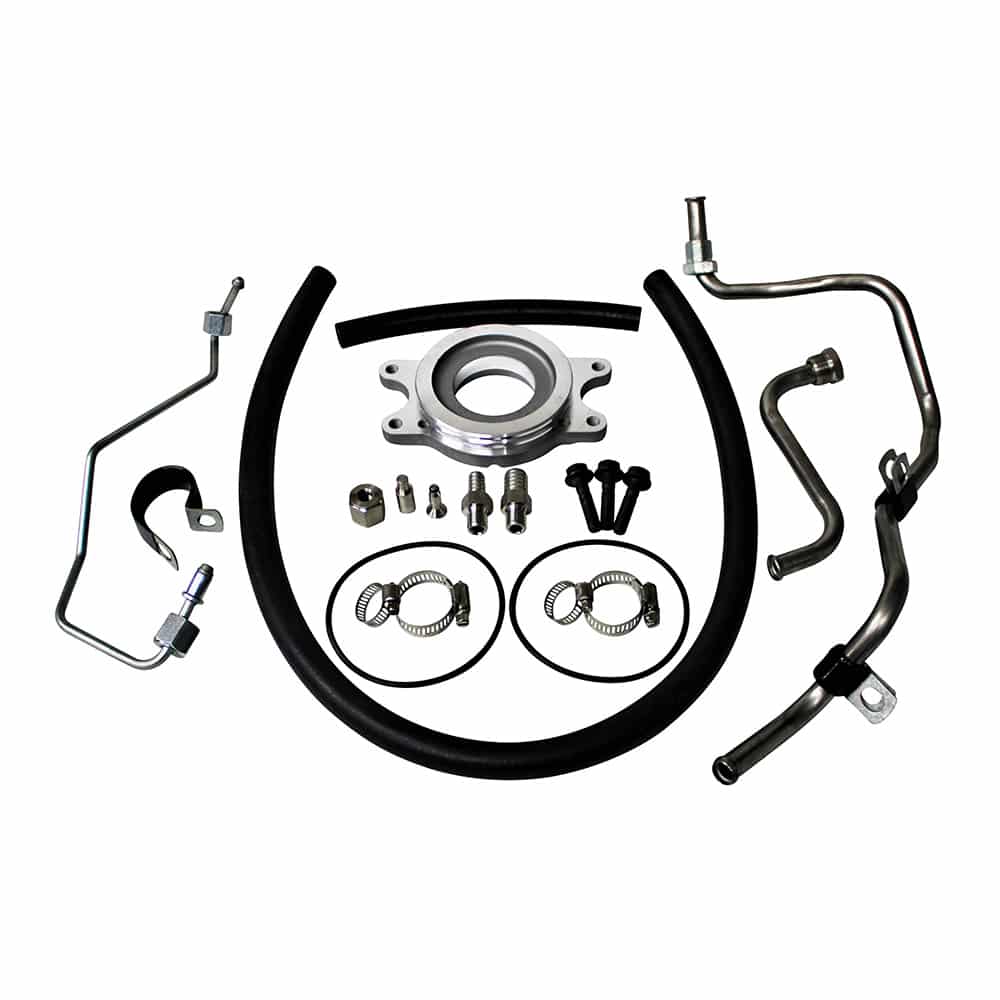
If you ever wonder whether that slightly new whistle is normal or duramax turbo lly worth checking out, trust your gut: better safe than sorry when it comes to diesel turbos.
Final Thoughts
A little vigilance goes far with any Duramax turbo diesel truck - doubly so with an LLY model climbing past 15 years old. Watch for subtle shifts in sound or feel behind the wheel; investigate odd behaviors promptly rather than waiting them out; consider strategic upgrades if your needs outpace factory limitations. With these habits honed over hundreds of thousands of miles by professional techs and seasoned owners alike, you’ll keep your LBZ Duramax turbo (or any variant) working hard instead of sitting lbz duramax turbo idle awaiting repairs.