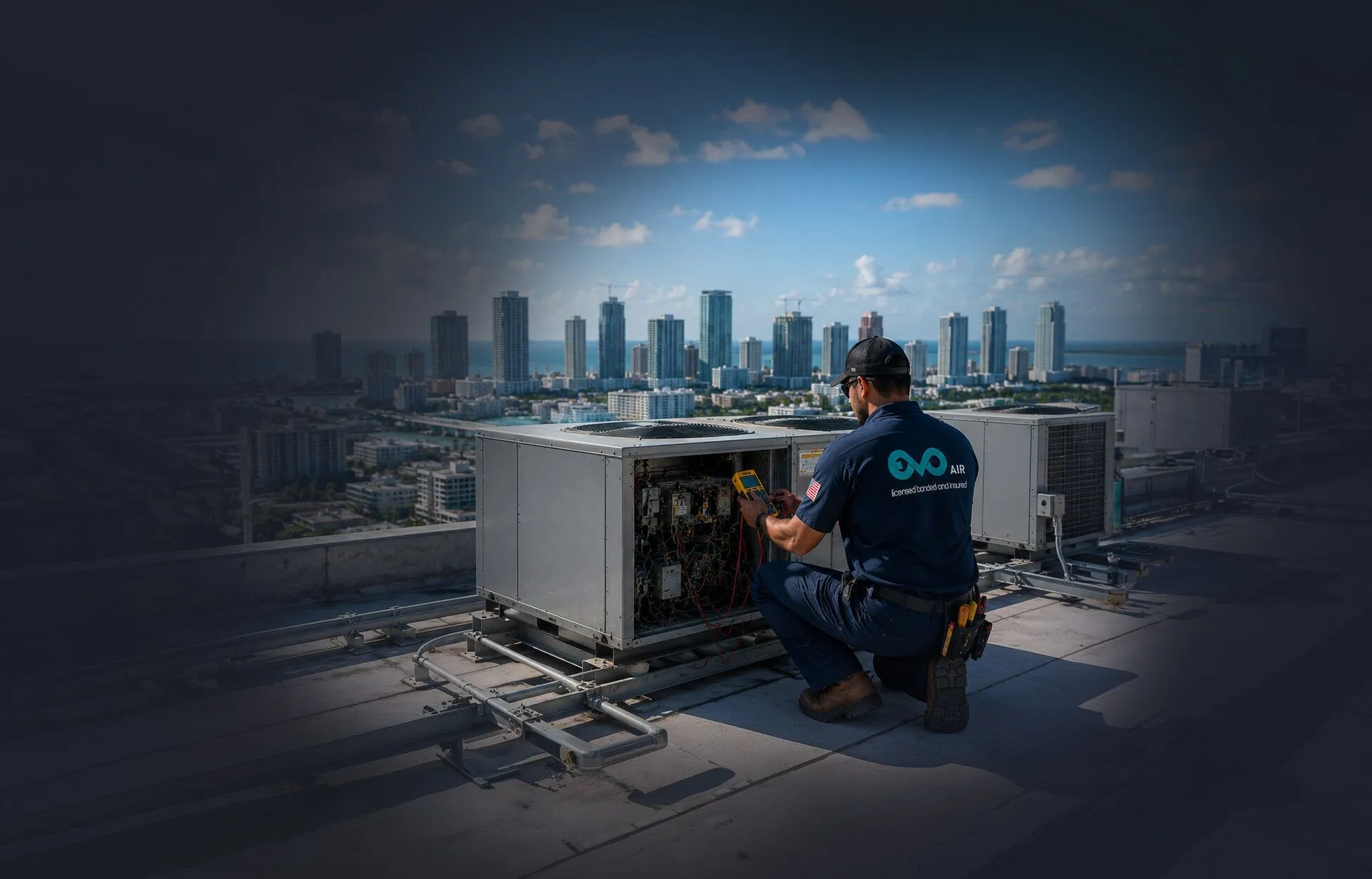
Planning an HVAC Program That Holds Up in Real-World Commercial Use
Assess the building’s purpose before choosing equipment, because office loads, retail peaks, and light industrial shifts create different temperature and airflow profiles. Early load calculations inform whether Heat Pumps, a Ductless Mini Split, or larger central systems make sense. Align zoning with how people actually use spaces during the day, and buffer for future tenant changes so the system can expand without major rework or downtime.
Meanwhile, verify power availability and roof or mechanical-room capacity to support heavier assets such as Cooling Towers or air handlers. Structural clearances, vibration isolation, and service aisles matter for safe access. Then map condensate routing, drains, and weatherproofing details to prevent nuisance leaks. In practice, documenting these constraints avoids surprised crews and late design shifts when AC Installation or Chiller Installation begins on a tight schedule.
Beyond that, stage the project in phases that maintain occupant comfort. Temporary cooling plans, weekend crane lifts, and after-hours duct tie-ins reduce disruption. Inspect material deliveries as they arrive, matching submittals to what’s on site, and validate serial numbers for long-term maintenance records. Often, this diligence prevents mismatches between controls, drives, and compressors that can complicate AC Repair down the road.
However, think through control strategies as much as hardware. Sequence economizers, setback schedules, and demand-control ventilation so the system avoids short cycling. Calibrate sensors during commissioning and refine setpoints after a week of live operation. Finally, document any overrides applied for testing, so they don’t linger and mask problems that reappear during a heat wave or a cold snap.
Then, scope filtration and indoor air quality from a lifecycle perspective. Filter ratings that are too aggressive can create static pressure penalties, while undersized options allow dust to load coils faster. Inspect return paths, verify gasket seals, and maintain coil cleanliness to protect heat transfer. In practice, small changes in airflow balance materially affect comfort complaints and the frequency of service calls.
Next, plan service clearances and access panels so technicians can actually reach components. Maintain code-required working space around disconnects, and provide lighting near equipment mounted high or tucked into mezzanines. Document hinge directions and fastener types on panels to streamline future HVAC Maintenance. Validate that roof pathways and ladders meet safety standards, which encourages regular inspections instead of deferred attention.
Often, budgeting benefits from splitting capital and operating lenses. Upfront savings on marginally smaller equipment can inflate energy spend and accelerate wear. Align selections with realistic run-hours and part-load efficiency where most buildings operate. Buffer for seasonal tune-ups, filter changes, and belt replacements so expenses don’t spike unexpectedly. Inspect warranty terms carefully; exclusions can hinge on documented maintenance intervals and proper start-up forms.
Meanwhile, evaluate plant redundancy based on risk tolerance. Dual pumps, N+1 chillers, or parallel packaged units can keep critical suites comfortable if one asset goes down. Sequence these assets to rotate lead and lag duty so hours accumulate evenly. Validate alarm routing to on-call teams, and test remote monitoring before peak season. Then, rehearse failure scenarios to expose gaps in spares, tools, or truck stock.
Beyond commissioning, maintain a living asset registry. Record model numbers, refrigerant types, motor horsepower, and control firmware versions. Update it after every Chiller Repair, sensor swap, or software patch. Inspect trend logs monthly to catch creeping discharge pressures or erratic superheat, and refine maintenance intervals accordingly. In practice, catching issues early usually means quicker fixes and fewer interruptions for occupants.
Finally, plan end-of-life replacements with a multi-year lens. Stage design reviews well ahead of failure risk, and align crane access, permitting, and downtime windows. Sequence removal and rigging to protect roofs and finishes, and validate tie-ins to legacy controls. Then, hand off updated as-builts, O&M manuals, and training to staff so future AC Repair and upgrades proceed smoothly, without guesswork or repeat site walks.