Smart Choices for Year-Round Comfort: A Facility Planner’s Guide to HVAC Readiness
Assessing your HVAC landscape begins with a clear inventory of equipment, spaces, and usage patterns. Document current system types, ages, and any rooms with recurring comfort complaints. Then compare heating and cooling loads against what the building actually demands. This upfront clarity shapes better decisions on AC Instalation, Thermostat Installation, or right-sizing replacements, and it prevents buying capacity you won’t use or neglecting areas that quietly underperform through peak seasons.
Scoping priorities means sorting quick wins from capital projects. Simple upgrades like sealing Ductwork, installing smarter controls, or adding Whole House Humidifiers can stabilize comfort while you plan larger steps. Meanwhile, verify warranties and service histories to spot patterns that suggest deeper issues. A unit that needs frequent AC Repair likely signals airflow constraints, undersized returns, or outdated refrigerant strategies that won’t be solved by patchwork fixes alone.
Staging the work across seasons reduces disruption and cost. Off-peak timing for Furnace Installation or Heat Pumps lets crews move efficiently and protects occupants from downtime during weather extremes. In practice, sequencing tasks—such as Thermostat Installation ahead of new zoning dampers—helps you validate control logic early. That approach uncovers minor calibration gaps before you lock in final setpoints, saving callbacks and preserving schedules.
Aligning equipment selection with building usage protects lifecycle value. Spaces with variable occupancy respond well to Ductless Mini Split solutions or advanced zoning, while steady-load areas benefit from central systems tuned for efficiency. Beyond that, evaluate filtration and Air Purification to manage particulates and odors. Properly sized filters and clean ducts reduce strain on Evoporators & Fan Cails, maintaining airflow and extending the useful life of coils and blowers.
Verifying airflow is nonnegotiable. Measure static pressure, compare to design targets, and inspect transitions that may choke supply or return paths. Often, reworking a few fittings or sealing seams pays back through quieter operation and even temperatures. Then validate that heat exchangers, burners, and ignition components in furnaces operate within manufacturer tolerances, reducing risks while improving seasonal efficiency during peak heating months.
Maintaining a cadence for HVAC Maintenance keeps performance predictable. Create a schedule for filter changes, coil cleaning, condensate checks, and fan belt inspections. However, pair routine checks with condition-based triggers—like differential pressure or energy-use anomalies—to catch drift early. This hybrid plan prevents reactive cycles and makes budgeting steadier, especially when you integrate Water Heaters and Tankless Water Heaters into the same preventive program.
Budgeting smartly blends short-term interventions with long-term goals. Sequence replacements for aging equipment near the end of serviceable life, and buffer the plan with contingencies for surprise Furnace Repair. Meanwhile, explore incremental improvements such as Dehumidifier Installation in shoulder seasons to control latent loads. These steps protect finishes, reduce musty odors, and make setpoints feel comfortable at slightly higher temperatures, supporting energy stewardship without compromising comfort.
Inspecting control strategies is as critical as mechanical health. Calibrate sensors, confirm placement away from drafts or heat sources, and refine schedules to match real-world occupancy. Then test setback and ramp-up profiles to avoid spikes that stress compressors. Validating economizer and ventilation settings further enhances indoor air quality, and when matched with Air Purification, you mitigate allergens while keeping ventilation energy in check throughout changing weather.
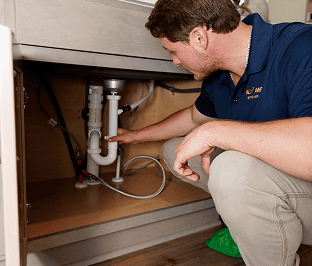
Planning for resilience means addressing plumbing interfaces that support comfort systems. Drain Cleaning around condensate lines, Plumbing Repairs on supply feeds, and safe Gas Piping arrangements reduce nuisance shutdowns. Finally, confirm proper Re-piping where aging lines restrict flow to hydronic or mixed systems. Reliable Plumbing Installation underpins stable operation, ensuring humidity control and heating elements receive the water and gas they require without interruptions.
Documenting your lifecycle roadmap ties everything together. Track inspections, parts replacements, and setpoint changes alongside occupant feedback. Refine the plan annually, and phase upgrades as needs evolve, from Commercial HVAC expansions to targeted zoning tweaks. By validating performance after each change and scheduling follow-ups, you avoid rework, keep stakeholders informed, and maintain a smooth handoff from project completion to everyday comfort that endures.