Smart Steps to Plan, Install, and Care for a Home Comfort System
Before choosing any heating or cooling path, assess how your home gains and loses heat across seasons. Square footage matters, but so do insulation quality, window orientation, and air leakage. A right-sized system reduces cycling and wear, improving comfort and utility stability. Document baseline conditions with photos and a simple room-by-room checklist to help compare options for furnaces, heat pumps, or hybrid approaches without bias.
Next, scope your electrical and duct realities. Older panels may limit expansion, and long duct runs can sap efficiency. A quick static pressure reading and visual duct inspection reveal bottlenecks, gaps, or crushed trunks. When ducts are beyond economical repair, alternatives like a Ductless Mini Split can bypass constraints, delivering zoned comfort without tearing into walls. Meanwhile, confirm clearance for outdoor units and safe venting paths.
Then, sequence the project in phases to reduce downtime. Start with envelope tune-ups—weatherstripping, attic sealing, and insulation—so the eventual system can be sized correctly. After that, rough-in any refrigerant lines, condensate routes, and low-voltage cabling. Finally, bring in the equipment and commission it the same day to avoid exposure to moisture and debris. Staging this way avoids rework and compresses the installation timeline.
However, selecting equipment type should not be a brand-first decision. Compare lifecycle costs by mapping fuel prices, climate patterns, and anticipated usage. Heat Pumps often shine in moderate winters, while dual-fuel pairings can buffer against rare deep cold snaps. AC Installation paired with a high-efficiency furnace may fit homes with robust ducts, but smaller spaces might benefit from compact air handlers or multi-zone indoor heads.
Beyond that, validate airflow and refrigerant charge with instruments, not guesswork. A proper start-up includes measuring temperature split, external static pressure, and superheat or subcooling, depending on the metering device. Calibrate thermostats and verify airflow per ton so rooms at the end of the runs still receive adequate supply. Document these readings; they form a benchmark for future checkups and quickly flag drift.
In practice, noise, placement, and service access shape day-to-day satisfaction. Keep outdoor units away from bedrooms when possible and elevate them to prevent leaf buildup. Indoors, allow technician clearance around air handlers and furnaces for filters, coils, and safety switches. Thoughtful positioning reduces vibration, eases maintenance, and preserves landscaping and walkways from hot exhaust or water discharge.
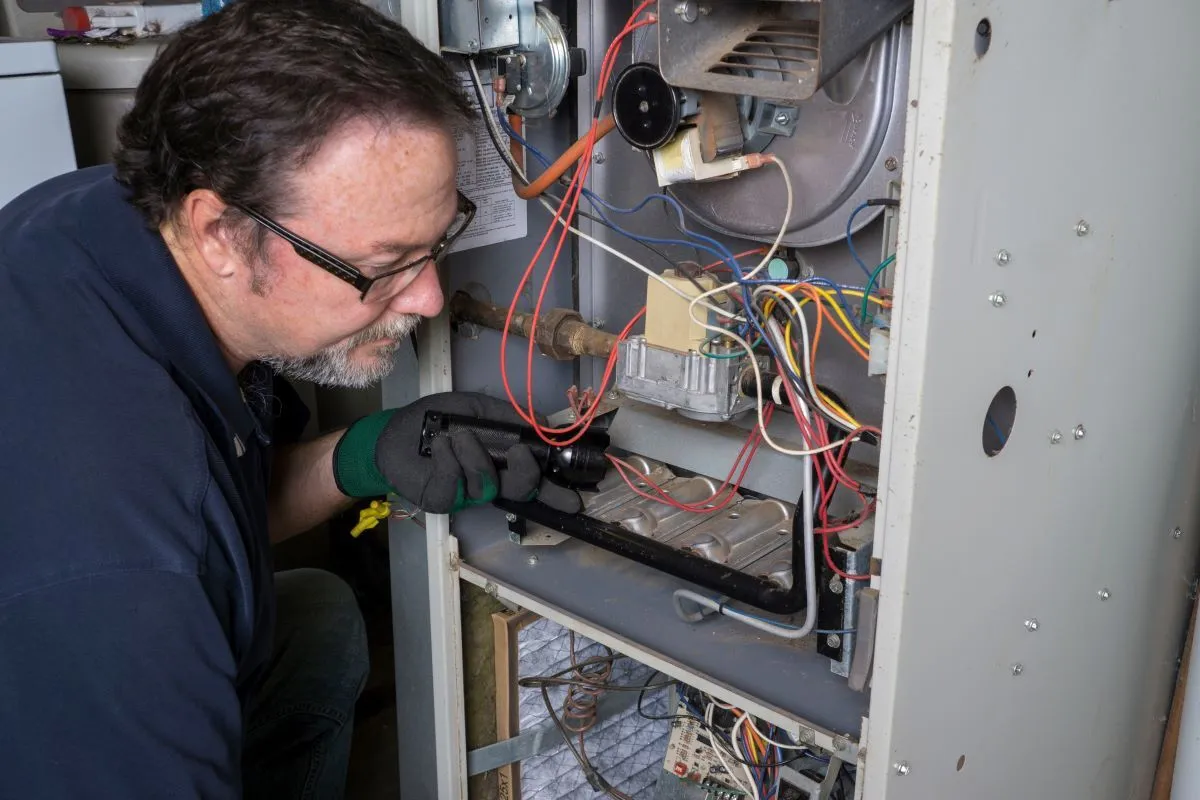
Often, maintenance planning gets sidelined until the first heat wave. Schedule HVAC Maintenance twice a year, aligning with spring cooling readiness and fall heating checks. Tasks include filter swaps, drain cleaning, coil rinsing, and burner inspection. If ducts show dust plumes at registers or persistent odors, Duct Cleaning may help, especially after renovations. Balanced ventilation and filtration also support better Indoor Air Quality through the pollen and wildfire seasons.
Meanwhile, budgeting works best with whole-project transparency. Itemize equipment, labor, disposal, permits, and any electrical or carpentry work. Include contingencies for line-set reroutes or flue upgrades. Financing can spread costs, but compare total interest against projected energy savings. A modest efficiency bump sometimes beats a premium tier if it preserves funds for air sealing or a programmable thermostat that ensures steady runtime.
Then, plan for resilience and edge cases. Backup Generators can protect sump pumps and medical devices during outages, but sizing must reflect startup loads for compressors. Surge protection and clean grounding help preserve control boards. If you live where storms roll in fast, verify that condensate pumps have overflow switches and that outdoor units have clear drainage to prevent icing or flooding around the pad.
Finally, set a long-view handoff. Keep a labeled folder with manuals, serials, start-up data, and filter sizes. Note dates for Heating Installation or future Heating Repair, along with warranty terms and reminder intervals. When selling the home, this record signals diligent care and simplifies inspection walk-throughs. With smart scoping, careful sequencing, and ongoing attention, your system will run reliably through swings of summer and winter alike.