Seasonal Playbook for Reliable Plumbing and Cool, Dry Air All Year
Homeowners benefit from viewing plumbing and AC as a single system that protects comfort, property, and health. Begin with a baseline assessment: map where shutoffs, cleanouts, and air returns live, and document equipment ages and filter sizes. This inventory informs decisions on Plumbing Services, AC Maintenance, and future upgrades. A clear snapshot reduces guesswork, speeds service visits, and prevents small issues from becoming disruptive surprises.
Beyond that, scope routine tasks into monthly, seasonal, and annual buckets. Filters and drain pans ask for monthly attention, while flushing water heaters and vacuuming return grilles may fit a quarterly rhythm. Annual items often include a comprehensive AC tune and whole-home inspection for leaks, slow drains, and ventilation balance. Sequencing chores this way helps you budget time, identify parts early, and avoid peak-season scheduling crunches.
Meanwhile, verify water pressure and temperature settings to protect fixtures and reduce stress on seals. Excess pressure can lead to pinhole leaks and noisy pipes, while overheated water accelerates scale. Pair pressure checks with Leak Detection around valves, hose bibs, and appliance lines. Catching tiny seepage early can prevent wall damage and mildew, supporting both building integrity and better Indoor Air Quality over the long haul.
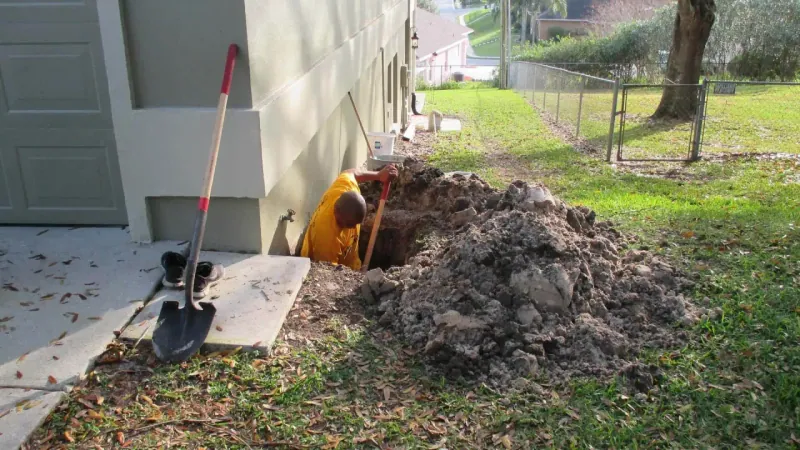
However, drains demand their own plan. Stage quarterly drain maintenance with enzyme-safe cleaners and hot water flushes to discourage buildup. If gurgling, slow flow, or recurring clogs appear, schedule Drain Cleaning or Rooter Service before a backup occurs. In practice, proactive clearing is cheaper and cleaner than emergency excavation, and it extends the useful life of pipes by limiting corrosive stagnation and frequent harsh chemical exposure.
Often, hot water systems quietly lose efficiency. Inspect tank anodes, test temperature-and-pressure valves, and listen for rumbling that suggests sediment. Then evaluate whether Water Heater Repair or an upgrade to Tankless Water Heaters makes sense, considering fuel type, demand patterns, and recirculation needs. Document energy use before and after changes so you can validate savings and refine setpoints, especially if you integrate low-flow fixtures or recirculation timers.
Then turn to air distribution. Inspect ductwork for kinks, gaps, and missing mastic; leaks waste energy and invite dust. Calibrate thermostat schedules to align with occupancy, and consider Smart Thermostats that learn routines and reduce short cycling. If rooms vary widely in temperature, Ductless Mini-Splits or zoning may solve comfort gaps without invasive renovations, while Dehumidifiers can trim latent load during sticky weather and protect finishes.
Finally, water quality planning pays dividends. Hard water accelerates scale inside heaters, faucets, and coils, while chlorine can affect taste and rubber components. Evaluate Water Softeners or Salt-Free Water Softeners alongside Whole-House Water Filtration or Under-Sink Filtration based on goals, space, and maintenance tolerance. Validate choices by testing at fixtures after installation, and schedule media or cartridge changes so performance doesn’t drift unnoticed over time.
Beyond plumbing and cooling performance, prepare for edge cases. Keep a prioritized shutoff plan for slab leaks, toilet overflows, or burst lines, and label valves clearly. If damage occurs, rapid Water Mitigation, Flood Restoration, and Water Damage Restoration can limit long-term costs and microbial growth. Buffer your home against outages with surge protection for condensers and pumps, and maintain clear drainage around the foundation to divert stormwater.
In practice, replacements should be phased with budgeting and lifecycle in mind. Repiping, Sewer Backup Repair, Slab Leak Repair, or AC Installation can be grouped with renovations to reduce drywall disruption. Align major work with off-peak seasons when appointments are more flexible. Validate warranties, keep serial numbers on file, and log maintenance to support resale disclosures and smoother future troubleshooting by any service provider.
Ultimately, vendor fit matters. Assess response options like 24/7 Emergency Plumbing, evaluate transparency around scope and parts, and confirm licensing for both plumbing and AC Repair. Inspect proposals for clear line items, pressure and airflow targets, and cleanup expectations. When a team documents findings, explains trade-offs, and confirms success criteria in writing, you gain confidence that your home’s water and air systems will remain dependable and efficient.