Smart Choices for Reliable Cooling: A Facilities-Focused Guide to AC Service Decisions
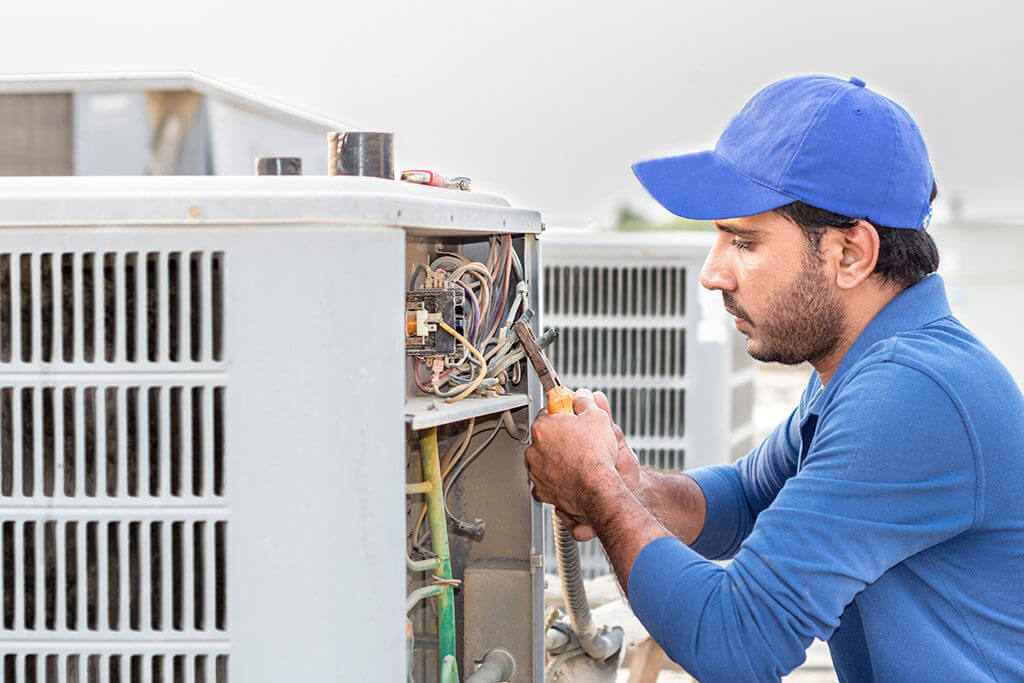
Planning for air conditioning repairs starts with scoping the system’s age, usage patterns, and prior service history. A clear snapshot of equipment type, capacity, and known trouble spots helps define whether AC Repair or a broader approach is appropriate. Document model numbers and filter sizes, note noise or odor changes, and flag rooms with uneven temperatures. This early baseline makes later diagnostics faster and supports informed, budget-conscious decisions.
However, diagnostics should be sequenced to validate the basics before chasing complex issues. Inspect airflow paths, verify thermostat operation, and assess power supply health. Then move to coils, condensate lines, and blower assemblies. When symptoms persist, expand to refrigerant charge checks and control board reviews. This logical progression reduces guesswork, maintains safety, and preserves parts by addressing root causes rather than swapping components prematurely.
Meanwhile, maintenance planning deserves the same rigor as repair triage. Filter schedules, coil cleaning intervals, and belt inspections should align with seasons and occupancy loads. AC Maintenance often prevents emergency calls by catching minor wear before it cascades into failures. Pair this with duct assessments to confirm static pressure and sealing conditions, since small leaks or blockages can mimic mechanical faults and inflate energy costs.
Beyond that, budget strategy benefits from a lifecycle lens. When a system nears the end of practical service life, compare the cost of repeated HVAC Repair against a phased AC Replacement plan. Tally anticipated failures, potential downtime, and energy performance changes. A targeted replacement of the most failure-prone stage can buffer operations while deferring full system upgrades until capital cycles align and rebates or incentives become available.
In practice, indoor air quality ties closely to repair outcomes. Dirty coils and neglected returns reintroduce contaminants and stress motors. Air Duct Cleaning, paired with sealing and proper filtration, supports cleaner evaporators and healthier circulation. During service visits, validate that filter racks fit snugly, check for bypass gaps, and confirm that MERV ratings match system specs so fans are not overburdened by excessive resistance.
Often, timing the work reduces disruption and shortens lead times. Off-peak scheduling, such as mild-weather windows, provides access to parts and allows technicians to stage tasks without compromising building comfort. For commercial sites, plan after-hours shutdowns for loud operations or work near sensitive areas. For homes, group tasks—like tune-ups and small fixes—to condense crew visits and limit repeat mobilizations.
Then, communication protocols keep projects on track. Define points of contact, preferred update methods, and decision thresholds for change orders. Ask for a written scope detailing diagnostics, parts, and testing steps. Clarify what post-repair verification looks like: temperature splits, amperage readings, and airflow confirmations. This documentation provides a shared reference that reduces rework and establishes accountability if conditions change after the technician departs.
Finally, consider resilience measures alongside repairs. Surge protection for outdoor units, condensate safety switches, and smart thermostat lockouts can prevent repeat failures. For mixed-use properties, zone controls and damper calibrations improve comfort while spreading load across equipment. If Heating Repair or Heating Maintenance is also due, align both sides of the system so blowers, controls, and safeties are validated as a whole, not piecemeal.
Assess replacement triggers with a structured rubric. Validate cooling capacity against space needs, verify noise thresholds are acceptable, and inspect cabinet integrity and corrosion. When the math supports HVAC Replacement, stage the transition: pre-order critical components, confirm pad or curb dimensions, and plan crane or access logistics if needed. A clean handoff includes updated manuals, warranty details, and final test readings archived for future reference.
Ultimately, a steady rhythm of HVAC Maintenance underpins every good outcome. Calibrate thermostats seasonally, maintain drainage to avoid water damage, and refine airflow with damper adjustments as occupancy shifts. Keep a concise service log that tracks findings and fixes, enabling trend analysis over time. With clear criteria, documented steps, and timely follow-ups, you sustain comfort, reduce surprises, and extend the useful life of your cooling assets.