Practical HVAC Choices: A Homeowner’s Roadmap From Planning to Performance
Beginning an HVAC project starts with scoping the home’s envelope and load demands rather than guessing by square footage alone. Assess insulation levels, window orientation, and air leakage to frame an accurate heat gain and loss picture. This groundwork informs whether a right-sized furnace, air conditioner, or heat pump will meet comfort goals. Oversizing short-cycles equipment, while undersizing strains components and leaves rooms uneven.
Next, align system type with climate realities and usage patterns. In milder regions, heat pumps can handle year-round needs efficiently, while colder zones might pair a furnace with a separate cooling unit. Document goals like humidity control, filtration targets, and zoning to guide equipment selection. Meanwhile, think about utility rate structures and available smart controls to balance comfort with operating costs throughout the seasons.
Beyond that, validate ductwork health before replacing major components. Inspect for crushed runs, disconnected joints, and inadequate returns that starve airflow. Then seal and insulate ducts where accessible to reduce losses and noise. Proper static pressure and balanced supply/return paths help new equipment perform as rated. Ignore this, and even premium systems will underdeliver, making rooms drafty and cycling erratic.
Often, homeowners want quick relief from hot or cold spots. In practice, a Ductless Mini Split can surgically serve additions, sunrooms, garages, or upper floors without extensive remodeling. Verify electrical capacity and wall clearances, and plan condensate routing to avoid future drips. Calibrate fan speeds and setpoints to minimize temperature bounce and drafts, especially in small rooms where airflow can feel intense.
However, Indoor Air Quality deserves equal attention to temperature. Filter MERV ratings, sealed returns, and fresh air strategies reduce particulates and odors. Humidity management curbs mold risk and improves comfort at moderate temperatures. Phase in enhancements like media filters or energy recovery as budgets allow. If occupants have sensitivities, consult product documentation to match filtration and ventilation with specific needs.
Then, stage the installation workflow to prevent rework. For AC Installation, verify pad location, line-set sizing, and routing before brazing. Buffer the schedule for pressure testing, evacuation, and commissioning steps that protect compressors from moisture. For Furnace Installation, confirm venting tables, gas supply sizing, and condensate neutralization where applicable. Small checks up front avert nuisance lockouts and warranty headaches later.
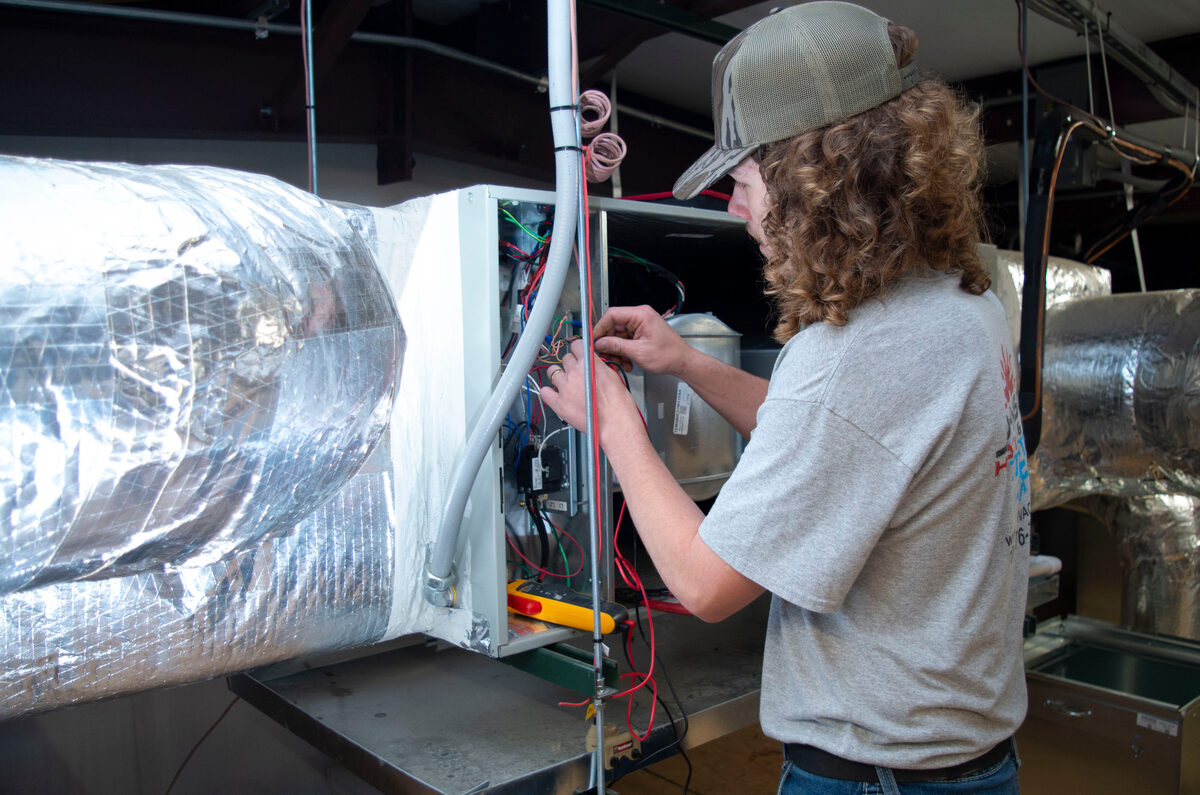
Meanwhile, set aside time for commissioning data. Measure temperature split, superheat, and subcooling, and compare with manufacturer targets. Validate blower speed against external static pressure to achieve proper airflow per ton. Inspect safeties like high-limit switches and float switches. Document serials, filter sizes, and thermostat programming so future AC Repair or Furnace Repair visits are concise and accurate.
After startup, maintain a cadence for HVAC Maintenance that protects efficiency. Replace or clean filters regularly, clear condensate lines, and rinse outdoor coils free of debris. Refine thermostat schedules with seasonal changes, and review energy bills for unusual swings that hint at hidden issues. Finally, keep a simple log of service dates and readings to spot trends before they escalate into downtime.
For budgeting, scope total lifecycle costs instead of chasing the lowest bid. Compare equipment tiers, expected longevity, and warranty coverage along with projected energy use. Sequence upgrades—like duct sealing first, then equipment—to stretch dollars. If cash flow is tight, start with measures that deliver the biggest performance lift per dollar, and phase aesthetic or convenience extras later.
Ultimately, decisions benefit from clarity and patience. Inspect the home, align system choices with climate and comfort goals, and validate the duct backbone before swapping gear. Calibrate settings during commissioning, and maintain steady upkeep to keep performance on track. By treating HVAC as a system rather than a single box, you’ll extend equipment life and enjoy steadier, quieter comfort year-round.