Strategic Tree Care Choices for Properties That Value Safety and Longevity
Initially, assess your landscape as a connected system, not just a collection of trees. Aim to understand soil conditions, canopy competition, and traffic patterns that influence maintenance priorities. Calibrate your tolerance for risk, shade, and sightlines so each tree has a clear role. A simple map noting species, age class, and conflicts helps you verify which tasks are urgent versus deferred, guiding a realistic schedule and budget.
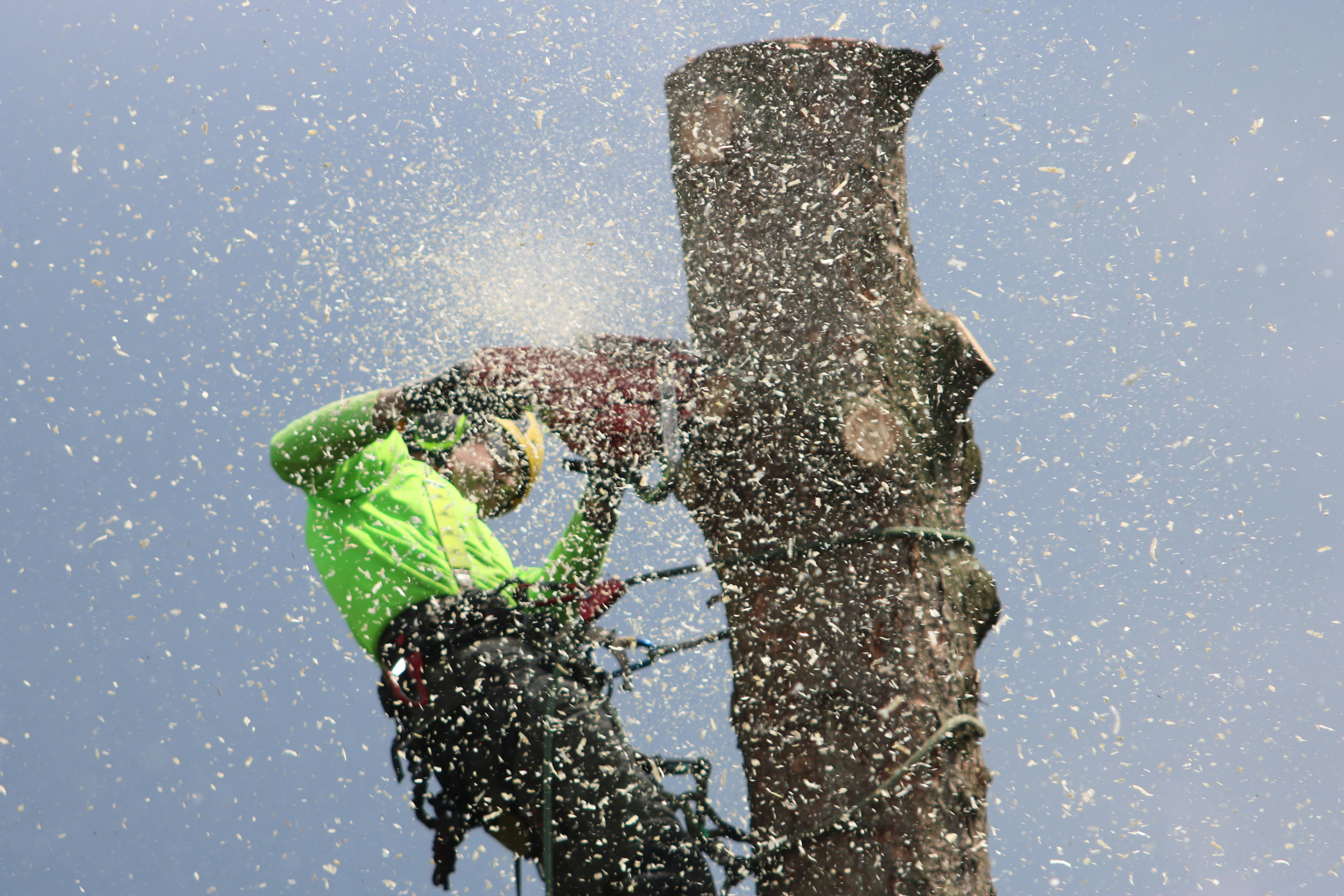
Meanwhile, scope structural issues before aesthetics. Lean, decay pockets, girdling roots, and deadwood call for timely action to buffer against storm failures. Tree Removal should be considered when defects exceed reasonable mitigation or proximity threatens utilities. An Arborist can document the evidence, explain options, and outline phased work that protects nearby plants, turf, and hardscapes from collateral damage during heavy operations.
Beyond that, plan pruning with a purpose aligned to growth cycles. Tree Pruning that targets weak unions, crossing limbs, and overextension reduces future breakage while maintaining form. Tree Trimming for clearance around roofs, lights, and sidewalks improves daily function and limits abrasion. In practice, light, frequent adjustments tend to preserve vigor better than infrequent, aggressive cuts that invite stress and unpredictable regrowth.
However, plant health care deserves equal attention to structure. Soil testing, mulch depth checks, and irrigation audits help refine inputs so trees can resist pests and drought. Inspect for subtle symptoms like canopy thinning or off-color leaves that hint at root stress. Then validate cultural fixes before jumping to treatments; correcting compaction or drainage often restores resilience more reliably than quick chemical responses.
Often, stump aftermath complicates replanting and grading. Stump grinding removes trip hazards and frees space for new installations, but the remaining grindings can tie up nitrogen. Stage cleanup thoughtfully, replacing chips with topsoil where planting is planned. Sequence tasks so underground utilities are marked early, machinery paths are protected with mats, and cleanup crews follow directly to limit lawn rutting and debris scatter.
Similarly, budgeting works best when you phase work across seasons. Inspect windward exposures before stormy periods, and schedule dormant-season structural work to reduce disease vectors and improve visibility in the canopy. Validate permit needs for protected species or public right-of-way access, and align HOA rules with your timeline. A transparent scope that separates must-do risk reduction from appearance upgrades helps keep cash flow predictable.
Then, think access and logistics. Narrow gates, overhead wires, and fragile patios demand careful rigging decisions. Document constraints with photos and notes to share expectations about equipment size, drop zones, and noise windows. Buffer neighbors by setting work hours and providing advance notice when large removals or wood chipping are planned. Good staging reduces rework, speeds cleanup, and limits damage that would otherwise consume contingency funds.
In practice, vendor fit affects outcomes more than many homeowners anticipate. Validate credentials, insurance, and references, and ask how crews inspect for wildlife habitats before starting. Request clarity on disposal, recycling, and wood reuse opportunities. While low bids can be tempting, align on methods, not just price, to ensure the plan protects root zones, prevents over-pruning, and leaves your site stable rather than exposed or uneven.
Finally, build a maintenance cadence that keeps small problems small. Inspect annually for changes in canopy balance, soil heave, or fungus at the trunk flare. Maintain mulch rings, refresh pruning cuts with proper technique, and adjust irrigation with seasons. A brief post-storm walkthrough to validate clearances and spot hangers can prevent injuries and property damage, while documented notes streamline future decisions and vendor handoffs.
Ultimately, trees deliver shade, habitat, and value when guided with steady, informed care. Align structure, health, and access planning; sequence work to minimize disruptions; and refine your approach as conditions evolve. With thoughtful assessment, measured pruning, timely removals, and responsible Stump grinding, your landscape can mature gracefully, balancing safety with beauty for years without constant emergency interventions.