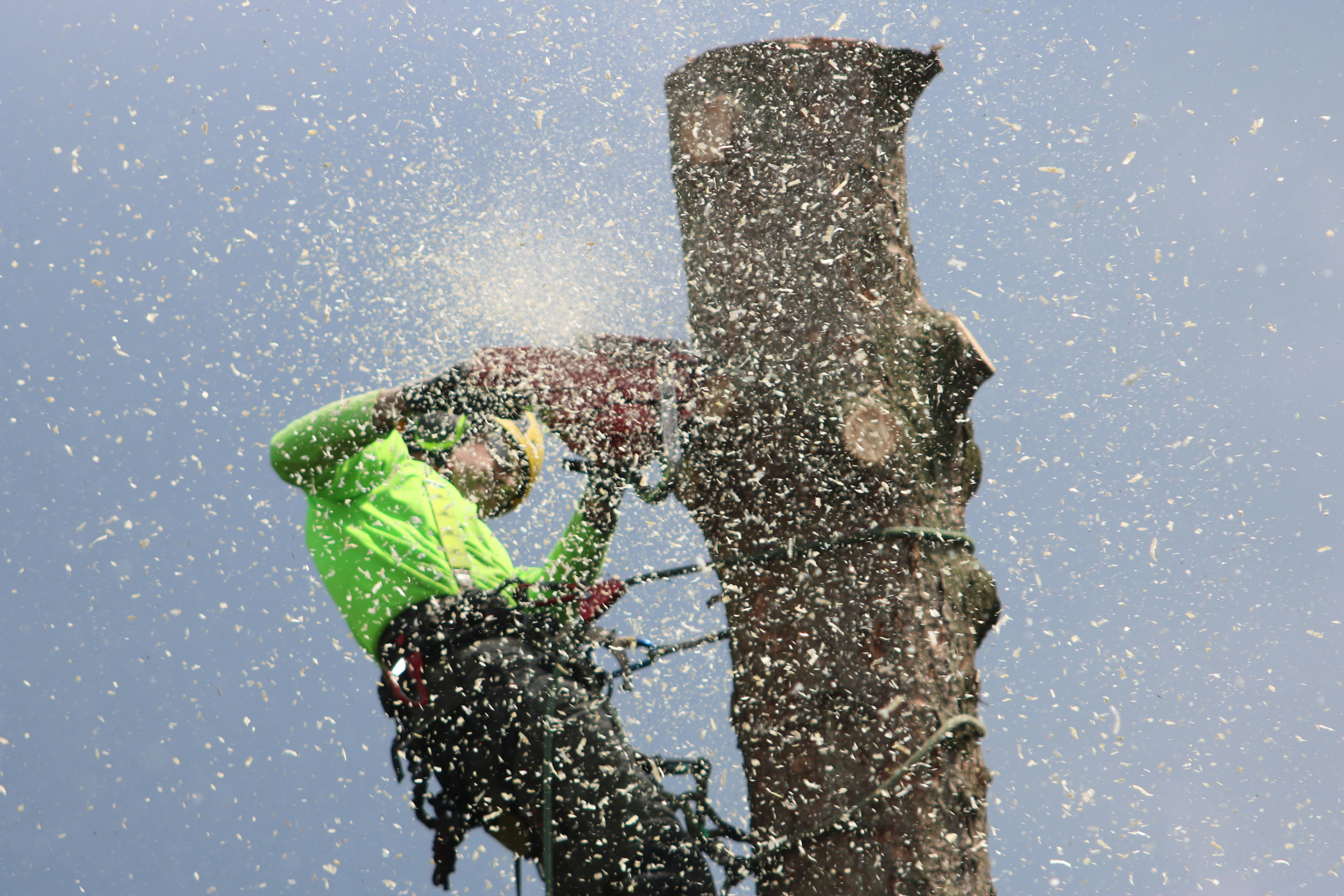
Smart Tree Care Decisions for Property Owners Who Value Safety and Longevity
Strategic planning begins with a clear inventory of your trees, their locations, and the goals you have for shade, views, and safety. Assess species, age, and structural form, then align expectations with what each tree can realistically provide. In practice, this baseline helps you prioritize maintenance tasks and forecast future needs, preventing reactive choices that cost more and introduce avoidable risk to your property.
Moreover, scoping the work correctly keeps projects lean and reduces disruption. Verify access points for equipment, overhead hazards like lines, and sensitive areas such as gardens or hardscape. Meanwhile, document constraints and any required permissions before a crew arrives. This simple step streamlines the day and buffers against rework, especially when Tree Removal or Stump grinding are part of the plan.
Beyond that, timing matters because growth cycles and weather influence outcomes. Often, dormant-season Tree Pruning yields cleaner cuts and faster recovery, while summer visibility can reveal active defects like split limbs or dieback. Then, align the schedule with nearby projects—roofing, fencing, or irrigation—so one tradesperson’s work doesn’t undo another’s. Sequencing saves money, minimizes compaction, and protects understory plantings.
Another key step is selecting the right Arborist support for diagnosis and risk evaluation. Calibrate expectations around inspection methods, from visual assessments to decay detection tools. Validate that recommendations address both immediate hazards and long-term structure. A thoughtful plan may pair light Tree Trimming for clearance with targeted pruning to improve form, reducing future breakage while preserving canopy function and neighborhood character.
Equally important, budget planning should weigh lifecycle costs rather than single visits. Compare the expense of recurring maintenance against eventual removal and replacement. Refine estimates by factoring disposal, milling options if applicable, and restoration such as soil remediation or replanting. In practice, modest preventive care can extend serviceable life, delaying major costs and keeping shade benefits intact during the hottest months.
From a safety lens, site preparation pays dividends. Inspect for underground utilities, fragile pavement edges, and slope stability where equipment might operate. Then, stage materials and rigging zones to protect windows, siding, and parked vehicles. Finally, confirm communication protocols for spotters and property occupants so everyone understands movement paths and pauses during overhead activity.
When evaluating health, start at the roots and soil. Maintain mulch depth carefully, avoiding trunk contact, and verify drainage so oxygen reaches feeder roots. Meanwhile, document irrigation changes and recent construction that could have severed roots or compacted soil. Subtle declines often trace back below grade, where timely corrections restore vigor and reduce the need for invasive canopy work later.
For commercial sites, access, liability, and public interaction add layers. Sequence work during low-traffic windows, buffer entrances with signage, and phase tasks to keep egress clear. Residential properties benefit from similar forethought, especially near play areas and pets. However, both settings share the same goal: reduce hazards while keeping landscapes attractive and functional year-round with minimal downtime.
Disposal and aftercare deserve equal attention. Validate chip usage plans, whether on-site mulch or haul-away, and align stump depth with future use of the area. If replanting, inspect site conditions and pick species suited to space, sun, and soil. Then, maintain young trees with proper watering and structural training cuts, building resilient architecture that needs less intervention as it matures.
Finally, vendor fit hinges on communication style, clarity of scope, and proof of industry best practices. Ask how they document findings, what standards guide their cuts, and how they handle emergency work without compromising routine quality. As you compare proposals, look for balanced guidance that weighs preservation against hazards, delivering practical steps you can track from estimate to final walkthrough with confidence.