Mapping Your Training Path: A Planner’s View of the Fitness Landscape
First, assess where you’re starting from and what the next quarter realistically looks like. Write down current habits, available time blocks, and any constraints like commute or family care. Then sketch your desired outcomes in plain terms: move pain-free, add strength, or improve endurance. This clarity anchors choices about equipment, training zones, and progression, so the landscape ahead feels navigable rather than overwhelming.
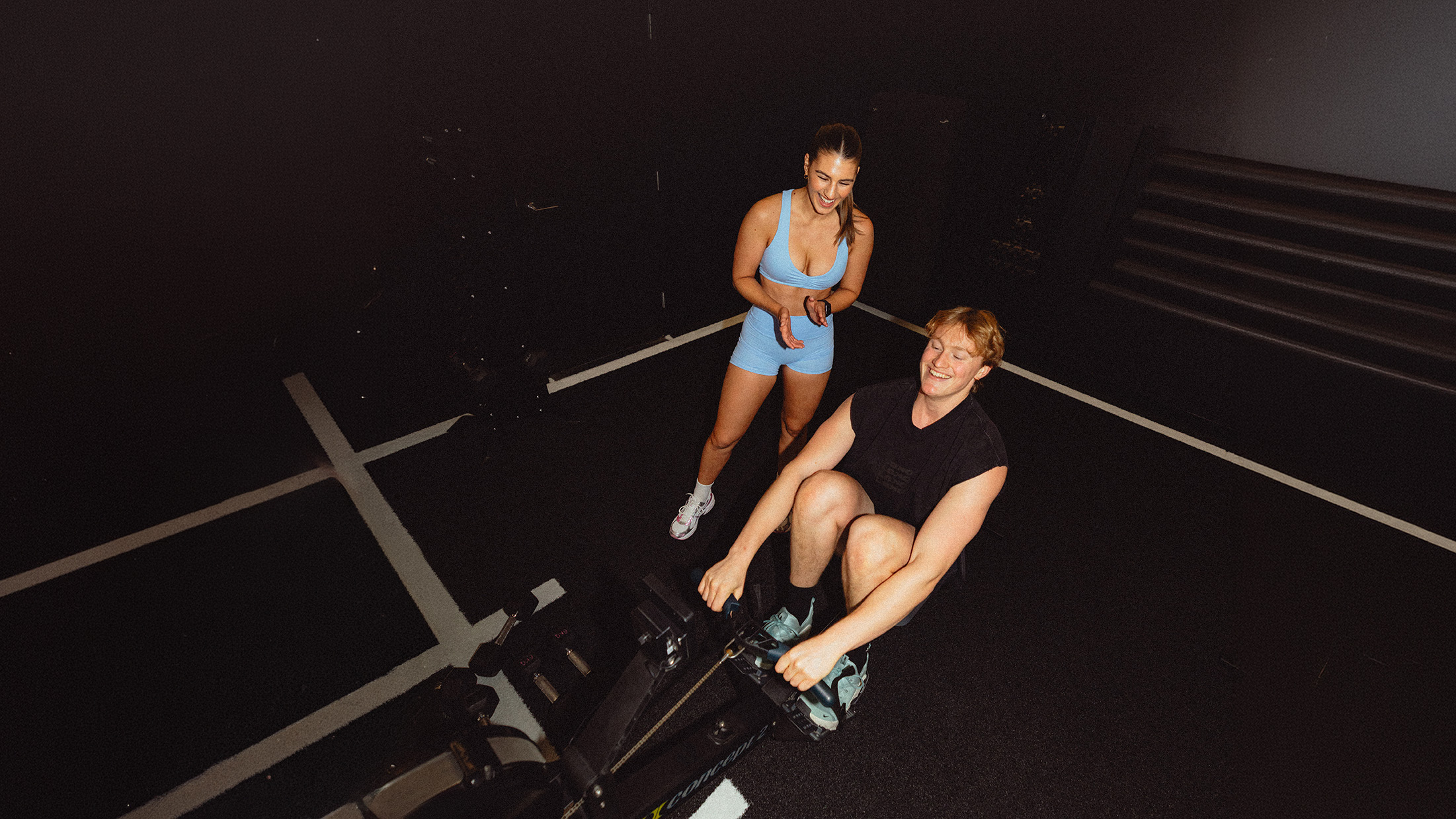
Next, scope resources you’ll actually use. Premium equipment matters when it supports your plan without friction, such as platforms for compound lifts or turf for loaded carries. More space to move helps you practice full-range patterns safely. Simple memberships reduce cognitive load, keeping the focus on sessions, not administration. This is about aligning environment with intent, so your routine survives busy weeks and still nudges you forward.
Meanwhile, stage your week by movement categories instead of muscle groups if your schedule fluctuates. A push, pull, hinge, squat, and carry framework lets you plug sessions into open windows. Phase intensity across days so no two consecutive sessions hit the same pattern hard. This sequencing buffers recovery, reduces bottlenecks for equipment access, and preserves quality reps even when workouts run shorter than planned.
However, verify that volume and load match your current capacity. Record sets, reps, RPE, and rest to capture a practical picture rather than relying on memory. Calibrate targets every two weeks by reviewing trends: stalled lifts, sleep changes, or nagging tightness. Small adjustments beat wholesale overhauls, and they keep momentum intact. Think of this as routine maintenance that prevents training detours from becoming full stops.
Beyond that, document movement standards you’ll hold yourself to. Define depth on squats, lockout on presses, and range on rows. These criteria allow honest progression without gaming numbers. If a lift doesn’t meet your standard, reduce load and rebuild quality. Over time, consistent form acts like compound interest in your program, improving durability, confidence, and the predictability of training outcomes.
In practice, align accessory work with your limiting factors. Tight hips, weak mid-back, or sluggish foot mechanics each suggest specific drills. Ten focused minutes post-main lifts can unlock better positions next session. Inspect how these choices influence your main patterns: does your hinge feel smoother, or do your shoulders track more freely? The goal is to refine the system so small parts elevate the whole.
Often, logistics determine adherence more than motivation. A facility with ample racks, sled lanes, and clear walkways reduces downtime and decision fatigue. When sessions must flex around life, having a 247 gym option adds a strategic buffer against missed days. Pick time slots that avoid peak congestion, and pre-plan an A and B workout so you can pivot if preferred equipment is occupied.
Then, sequence training blocks with seasons in mind. Build foundational capacity before pushing intensity, and introduce novel stimuli only when recovery markers are stable. Validate readiness by passing simple benchmarks like consistent sleep, steady appetite, and clean technique under moderate fatigue. If one marker slips, pull back a notch rather than forcing progress. Smart pacing turns steadiness into sustainable results.
Finally, maintain a feedback loop across four checkpoints: weekly micro-notes, biweekly load review, monthly movement audit, and quarterly goal reset. Each layer adds resolution without drowning you in data. When the plan drifts, trace back to the earliest signal and correct there. This habit keeps your training map current, so every session has context, purpose, and a clear next step on the terrain.
Ultimately, treat the fitness landscape like a living project. You inspect constraints, adapt routes, and protect quality while advancing toward meaningful outcomes. With more space to move, premium tools that fit real training, and memberships that stay simple, the environment supports your choices. Keep decisions small, cues clear, and progress visible. The path widens when your plan, place, and practices move in the same direction.