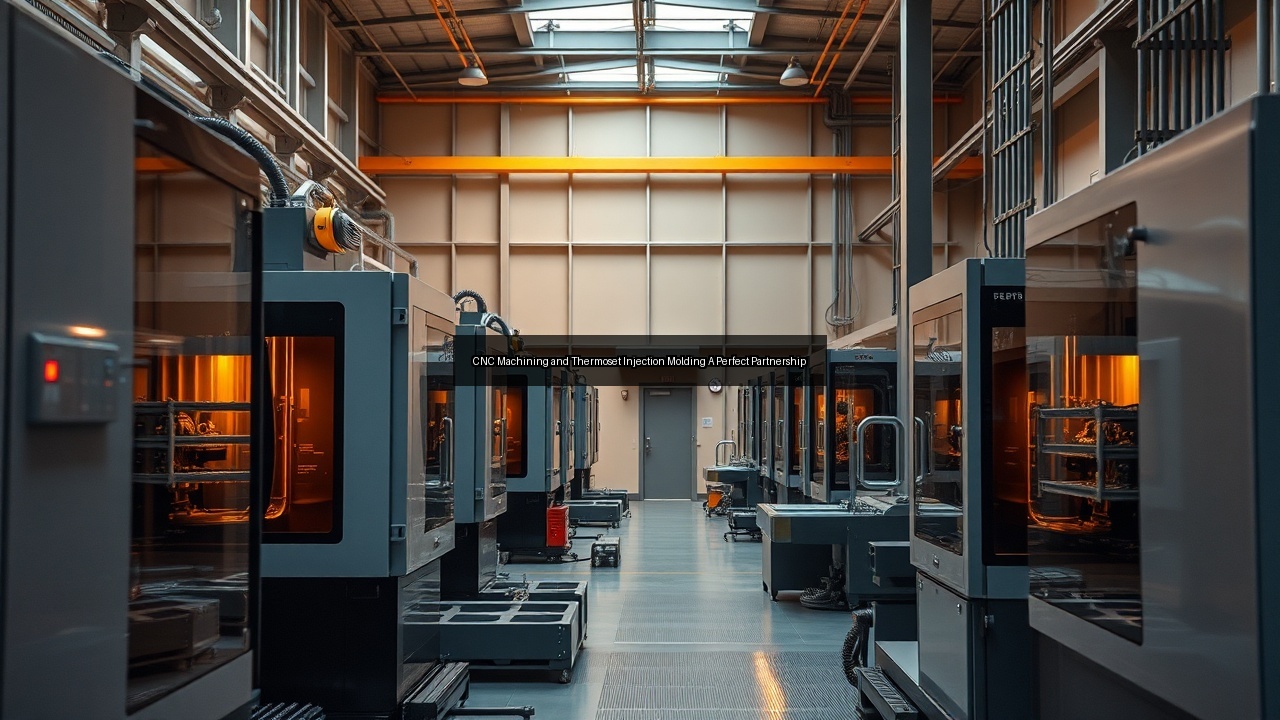
CNC Machining and Thermoset Injection Molding A Perfect Partnership
Understanding Thermoset Injection Molding
What Are Thermoset Materials?
Thermoset materials, a category of polymers, undergo a chemical change during the curing process that makes them permanently rigid and heat-resistant. Unlike thermoplastics, which can be remelted and reshaped, thermosets maintain their form and strength after setting, making them ideal for applications requiring durability and stability. Common thermoset materials include epoxy, phenolic, and polyester resins. These polymers exhibit excellent electrical insulation properties, chemical resistance, and dimensional stability. Their inherent strength and thermal stability make thermosets a preferred choice in industries that demand high-performance materials, such as automotive, aerospace, and electronics.
The Differences Between Thermosets and Thermoplastics
Understanding the distinctions between thermosets and thermoplastics is crucial for manufacturers. Thermoplastics can be heated and reshaped multiple times, offering versatility in production. In contrast, thermosets cannot be reprocessed once cured, resulting in a more stable final product. This difference significantly influences the molding processes used. For example, thermoplastic injection molding allows for rapid production and recycling, while thermoset injection molding focuses on creating robust, durable components. Additionally, thermoplastics are often lighter and less expensive, but they may not provide the same level of heat and chemical resistance as thermosets. Thus, the selection between the two materials hinges on the specific requirements of the application.
Key Advantages of Thermoset Injection Molding
Thermoset injection molding offers several advantages that set it apart from other molding techniques. First, the process allows for high precision and repeatability, crucial for manufacturing complex components. Since thermosets cure into a hard, inflexible form, they provide exceptional strength and stability, making them ideal for high-stress applications. Furthermore, thermoset injection molding typically results in lower shrinkage rates compared to thermoplastics, minimizing defects and improving product quality. The chemical resistance of thermosets ensures longevity and reliability in harsh environments, while the process itself supports intricate designs, including overmolding and insert molding. These benefits make thermoset injection molding an attractive option for manufacturers seeking to produce durable, high-performance parts.
The CNC Machining Process and Its Role in Thermoset Injection Molding
Precision Machining with CNC Machines
CNC machining plays a vital role in the production of thermoset components, delivering precision that manual machining cannot match. CNC, or Computer Numerical Control, utilizes automated machinery guided by pre-programmed software to create intricate designs efficiently. This technology allows for the exact shaping and finishing of molds used in thermoset injection molding. Accurate machining is essential for achieving tight tolerances, ensuring that components fit perfectly during assembly. CNC machines, such as lathes and mills, can produce complex geometries and surface finishes that enhance the performance of thermoset products. The integration of CNC machining into the thermoset injection molding process results in higher-quality products and reduced manufacturing times, ultimately driving down costs.
Integrating CNC Machining with Thermoset Components
Integrating CNC machining with thermoset injection molding significantly enhances the manufacturing process. Machining allows for the creation of high-precision molds that can withstand the high pressures and temperatures of thermoset injection. These molds need to be robust and accurately shaped to ensure the final product meets stringent specifications. By using CNC machines, manufacturers can produce molds that not only enhance the quality of the thermoset components but also reduce lead times. Additionally, CNC machining facilitates rapid prototyping, enabling manufacturers to test designs quickly and make necessary adjustments. This integration ultimately leads to a more efficient production cycle, enabling businesses to respond swiftly to market demands.
Common CNC Techniques: Lathes, Drills, and More
Several CNC techniques are pivotal in shaping components for thermoset injection molding. Lathes are commonly used for turning operations, producing cylindrical parts with high precision. This method is particularly useful for creating intricate features in thermoset molds. Drilling operations allow manufacturers to create holes and cavities essential for insert molding, where additional materials are incorporated into the thermoset structure. Other techniques, such as milling and grinding, provide the ability to achieve fine tolerances and complex surface finishes. Each technique contributes to the overall quality and functionality of the molds, ensuring that the thermoset injection molding process yields optimal results. By leveraging these CNC capabilities, manufacturers can produce high-quality, durable components that stand the test of time.
Applications and Innovations in Thermoset Injection Molding
Industries Benefiting from Thermoset Solutions
Thermoset injection molding finds extensive applications across various industries, including automotive, aerospace, electronics, and construction. In the automotive sector, thermosets provide essential components such as electrical housings and structural parts that require high heat resistance and mechanical strength. Aerospace manufacturers rely on thermosets for lightweight yet durable components that can withstand extreme conditions. The electronics industry benefits from thermoset materials for circuit boards and insulators, where electrical insulation and thermal stability are critical. Construction professionals use thermoset polymers in adhesives, coatings, and composites, ensuring longevity and durability in building materials. These industries highlight the versatility and reliability of thermoset solutions, driving continuous innovation in thermoset injection molding processes.
Combining Thermosets with Insert Molding and Overmolding
Insert molding and overmolding are techniques that enhance the functionality and performance of thermoset components. Insert molding involves placing a component—such as a metal part or another thermoplastic—into a mold before injecting the thermoset material. This process allows for the creation of complex assemblies in a single step, reducing the need for secondary operations. Overmolding, on the other hand, involves applying a layer of thermoset material over an existing part, improving grip, comfort, and sealing capabilities. These techniques enable manufacturers to produce multi-material parts that leverage the strengths of both thermosets and other materials, leading to innovative designs and improved product performance. The integration of these methods with thermoset injection molding opens up new possibilities for product development.
Future Trends in Thermoset Injection and Composite Manufacturing
The future of thermoset injection molding and composite manufacturing looks promising, driven by advancements in materials science and manufacturing technologies. Innovations in thermoset formulations are leading to enhanced properties, such as improved flexibility, reduced curing times, and greater sustainability. The development of bio-based thermosets and recyclable thermosets aligns with growing environmental concerns, enabling manufacturers to meet eco-friendly standards. Additionally, automation and smart manufacturing techniques are streamlining production processes, increasing efficiency, and reducing waste. As industries continue to demand higher performance and customized solutions, thermoset injection molding will evolve, embracing new materials and processes that push the boundaries of what is possible in manufacturing.
Quality Standards and Considerations
ISO 13485 Compliance in Molding Processes
Compliance with ISO 13485 standards is crucial for manufacturers engaged in thermoset injection molding, particularly in the medical device industry. This standard outlines the requirements for a quality management system that ensures the safety and efficacy of medical products. Adhering to ISO 13485 involves rigorous processes for documentation, process validation, and risk management throughout the manufacturing cycle. Manufacturers must maintain strict controls over their molding processes to ensure product consistency and reliability. Compliance with these standards not only instills confidence in customers but also opens doors to new markets where quality assurance is paramount. Meeting ISO 13485 standards signifies a commitment to excellence in thermoset injection molding practices.
Chemicals and Safety in Thermoset Injection Molding
Safety plays a pivotal role in thermoset injection molding, particularly concerning the handling of chemicals. Manufacturers must implement stringent safety protocols to protect employees from exposure to hazardous substances used in the production process. Proper ventilation, personal protective equipment (PPE), and training on chemical handling are essential components of a safe working environment. Additionally, understanding the properties and risks associated with various thermoset materials ensures that manufacturers can mitigate potential hazards effectively. Regular safety audits and compliance with safety regulations help maintain a culture of safety within the organization. By prioritizing safety, manufacturers can enhance productivity while safeguarding their most valuable asset—human resources.
Best Practices for Achieving High-Quality Plastic Injection Molded Products
To achieve high-quality plastic injection molded products, manufacturers must adhere to best practices throughout the thermoset injection molding process. First, selecting the right thermoset material is crucial, as it directly impacts the final product's performance and durability. Accurate mold design and machining are equally important, ensuring that molds are free of defects and capable of producing consistent parts. Proper temperature and pressure control during the injection process also contribute to product quality, minimizing issues such as warping or incomplete filling. Regular maintenance of CNC machines and molds ensures longevity and reliability, reducing downtime and production costs. By focusing on these best practices, manufacturers can consistently produce high-quality thermoset injection molded products that meet customer expectations and industry standards.