

Drought-Friendly Outdoor Living Ideas for Arcadia Entertaining
Arcadia backyards occupy an interesting middle ground. Homeowners want them to feel lush, welcoming, and polished enough for dinner parties, family weekends, and quiet evenings outdoors. At the same time, Southern California’s water realities are impossible to ignore. Long dry stretches, periodic restrictions, rising utility costs, and the simple common sense of conserving a limited resource have changed the way smart outdoor spaces are planned.
That shift has been good for design.
Some of the best outdoor living ideas for Southern California properties now come from working with the climate instead of resisting it. A backyard does not need a thirsty lawn or tropical planting palette to feel generous. In fact, some of the most refined luxury outdoor living spaces in Arcadia rely on clean hardscape lines, layered native planting, shade, texture, and thoughtful amenities that make the yard usable almost year-round.
When clients ask how to create an entertaining space that feels substantial without wasting water, the answer usually starts with priorities. Not every square foot has to be green. Not every planting bed has to bloom at once. Not every renovation needs to happen in a single sweep. The strongest results come from understanding how people actually use the yard, then shaping the design around that reality.

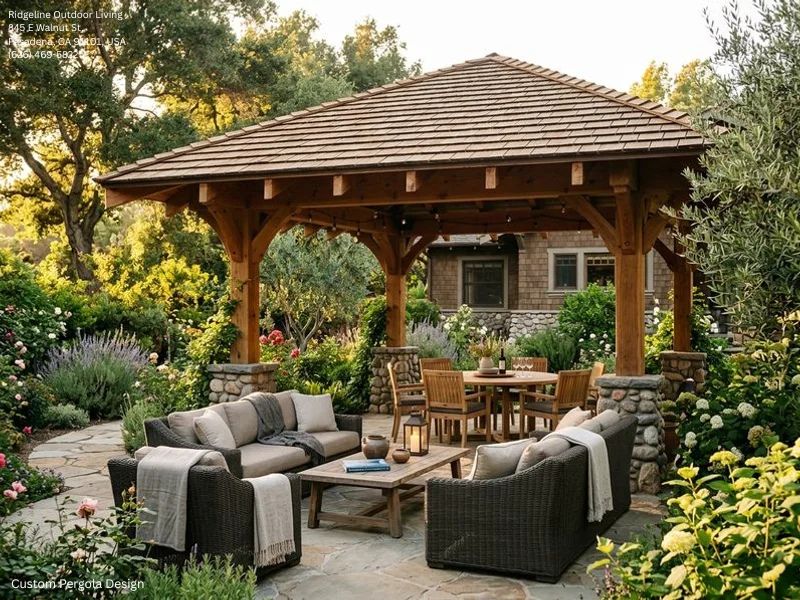
Entertaining first, planting second
A common mistake in backyard planning is treating the landscape and the outdoor living area as separate projects. Someone installs a patio, then later adds planters wherever there is leftover room. Or they fill the yard with plant material and discover there is no practical place for a dining table, grill, or shade structure.
For Arcadia homeowners, entertaining works better when circulation drives the layout. Guests need a clear route from the house to the gathering area. The cook needs enough elbow room near the grill or outdoor kitchen. Seating should face a focal point, whether that is a fire feature, garden wall, fountain, or simply a mountain view framed by trees. Shade matters more than people think. A beautiful patio that bakes in late afternoon sun often sits empty.
This is where water-wise landscape design ideas become practical, not just environmentally responsible. If you reduce the amount of ornamental lawn and dedicate space to outdoor rooms, you immediately cut water demand while making the property more useful. A decomposed granite lounge court, porcelain-paver dining terrace, or gravel-framed fire pit zone often serves a family better than another strip of turf that requires irrigation, mowing, edging, fertilizing, and regular repair.
I have seen before and after landscape transformation ideas succeed for one simple reason: the new design finally matched the homeowner’s habits. A family that hosts twelve people twice a month needs hardscape, lighting, and seating. They do not need 1,200 square feet of high-input grass no one walks on.
Why drought-friendly can still feel luxurious
There is still a lingering belief that drought-tolerant landscaping for Southern California must look sparse, dusty, or overly desert-like. That usually comes from poor plant selection or a lack of layering. Water-wise does not mean barren. It means deliberate.
A high-end Arcadia backyard often benefits from contrast. You might pair broad architectural agaves with softer mounding grasses, or place a clean-lined concrete bench in front of massed ceanothus and manzanita. Native California plants that thrive in Arcadia bring structure, color variation, and seasonal interest, especially when grouped in drifts rather than dotted around one by one. The result feels designed, not improvised.
Luxury in outdoor spaces often comes from comfort and restraint. Deep seat cushions in fade-resistant fabrics, a well-positioned pergola, integrated lighting, and a material palette that stays consistent from the back door to the far edge of the yard will read as more expensive than an overloaded design with too many disconnected features. Water savings are part of that polish. There is something undeniably appealing about a landscape that looks composed even in the hottest month of the year.
For homeowners thinking about how to increase property value with landscaping in Arcadia, this matters. Buyers notice when a yard feels current, efficient, and easy to maintain. A drought-conscious entertaining space signals lower long-term upkeep and better alignment with California living. It also photographs well, which matters more than ever in real estate.
The strongest layout move is often reducing the lawn
In Arcadia, many older backyards still carry a large central rectangle of turf because that was the default formula for decades. It is familiar, but it is not always useful. If children are older, pets do not need much run space, and gatherings revolve around meals and conversation, shrinking the lawn can unlock the entire property.
That does not mean eliminating every patch of green. A modest area of turf can still be worthwhile if it has a clear purpose. The key is to be honest about whether it earns its water use. I often advise homeowners to stand at the kitchen window and ask a blunt question: how often is that lawn actually being used?
Once the lawn footprint is reduced, several entertaining-friendly opportunities open up. You can widen the dining area so chairs are not awkwardly jammed together. You can add a secondary seating zone away from the main table. You can create a side garden with fragrant low-water plants near a guest path. You can carve out space for a plunge spa, bocce court, or shaded reading nook. Planning a complete backyard renovation in Arcadia often becomes less overwhelming once the turf area is no longer treated as sacred.
Plant palettes that suit Arcadia’s climate
Arcadia’s heat, periodic Santa Ana winds, and generally dry conditions call for plants that can handle stress without looking exhausted by midsummer. Native California plants are especially valuable here, though a successful water-wise garden usually includes a mix of natives and climate-adapted species.
Ceanothus can provide rich evergreen form and spring color, but placement matters because some varieties resent overwatering and poor drainage. Manzanita adds sculptural bark and year-round presence, making it one of the best anchors in modern landscape design inspiration for Arcadia homes. California lilac, toyon, coffeeberry, Cleveland sage, salvia, and deer grass all deserve consideration. Kangaroo paw, lavender, westringia, and certain varieties of lomandra can blend beautifully with native material while maintaining a tidy profile that many homeowners prefer near entertaining zones.
The trick is not just choosing drought-tolerant plants, but placing them according to mature size, irrigation needs, and visual role. Plants near patios should not constantly shed sticky residue or attract heavy bee activity directly into a dining zone. Spiky species should be pulled back from paths. Large shrubs should not crowd sightlines from the house to the yard. This is where experience matters. A plant that looks great in a nursery pot can become a maintenance nuisance in the wrong spot three years later.
Homeowners looking for low-maintenance landscaping ideas are often surprised to learn that fewer species usually means easier care. A restrained palette with repeated masses is simpler to irrigate, prune, and keep visually coherent. It also tends to look more intentional.
Hardscape does more of the heavy lifting than most people expect
Entertaining space lives or dies by the hardscape. Planting provides mood and softness, but surfaces determine whether the yard feels comfortable, functional, and finished.
Permeable pavers, large-format concrete pads, natural stone, decomposed granite, and gravel each have a place in xeriscaping for California homes. The right choice depends on budget, style, and the amount of maintenance the homeowner can tolerate. Decomposed granite looks relaxed and fits many Southern California properties, but it can migrate and may not be ideal for dining chair legs. Large pavers on a stabilized base create a cleaner, more modern feel and handle furniture better. Natural stone can feel timeless, though material and installation costs are usually higher.
Grade landscaping guide changes deserve careful attention. Even a small step in the wrong place can make a backyard feel awkward during gatherings. Good design smooths movement from one use area to another. That can mean broad shallow steps, low retaining walls that double as seating, or subtle transitions in material rather than abrupt level shifts.
Outdoor kitchens and bars are another area where restraint pays off. Some of the best luxury outdoor living spaces in Arcadia are not oversized. They simply put the right functions in the right place: grill, prep counter, undercounter storage, maybe a beverage refrigerator, and enough nearby seating that the cook remains part of the conversation. A massive kitchen island can dominate a yard and inflate the budget without adding much real utility.
Shade is not optional in Arcadia
A drought-friendly entertaining space that lacks shade will still underperform. This is one of the most expensive lessons homeowners learn after a renovation. By July, the patio is visually attractive but physically uncomfortable.
Permanent shade structures often give the best return. Pergolas, solid-roof patio covers, and strategically placed cantilever umbrellas all have their place. Retractable shades can be excellent where western sun is intense. Trees also matter, though they require patience and the right species selection. A well-placed low-water shade tree can transform a yard over time, but it should be chosen for canopy shape, root behavior, and litter habits, not just nursery appeal.
What to expect during a landscaping project in Arcadia often includes adjustments to shade plans once people see the site at different times of day. It is worth spending time on this before construction starts. Late afternoon exposure is especially important if the homeowners entertain after work or host weekend dinners.
Irrigation is where water savings are won or lost
People understandably get excited about plants, tile, lighting, and furniture. Irrigation is less glamorous, but it often determines whether a drought-friendly design actually performs the way it should.
Drip irrigation, hydrozoning, pressure regulation, smart controllers, and proper emitter placement all matter. Grouping plants with similar water needs is one of the fundamentals of how to reduce outdoor water consumption. Yet it is often ignored in older landscapes, where roses, lawn, shrubs, and seasonal flowers all share the same valve. That setup wastes water and stresses plants at the same time.
For a complete backyard makeover inspiration that functions well long term, I usually encourage homeowners to think of irrigation as invisible infrastructure, like wiring or plumbing indoors. You want it planned carefully, installed correctly, and easy to adjust as the garden matures.
Mulch plays a supporting role here, but an important one. Choosing the right mulch for dry climates can noticeably improve soil moisture retention and moderate root-zone temperatures. Shredded bark, wood chips, and mineral mulches each have advantages. Wood-based mulches can enrich soil over time and soften the look of planting beds. Gravel and crushed rock offer a crisp modern aesthetic and hold up well in high-traffic visual areas, though they can reflect heat and are less forgiving if leaves regularly accumulate. The right answer depends on the style of the yard, nearby trees, and maintenance habits.
Features that make entertaining easier without increasing water use
When water is limited, every backyard element should justify itself. Entertaining features are worth the investment when they improve comfort, increase time spent outside, and do not create a maintenance burden.
Here are a few that consistently earn their space:
- A defined dining terrace near the kitchen, sized so chairs can move freely even when occupied
- Layered lighting that includes path lights, downlighting, and dimmable ambient fixtures
- Built-in seating walls, which reduce the need for excess furniture and hold up well in weather
- A fire feature sized to the yard, often more useful than a decorative fountain under water-conscious goals
- Storage tucked into benches or kitchen cabinetry, so hosting feels easy rather than improvised
Notice what is absent from that list: unnecessary lawn, oversized planting beds with thirsty annuals, and decorative features that look good for a month but become a chore. Good outdoor living ideas for Southern California properties favor comfort over clutter.
Mistakes that tend to cost Arcadia homeowners the most
Landscaping mistakes homeowners make in Arcadia are rarely dramatic at the beginning. Most start as reasonable assumptions. A homeowner assumes a pretty plant will stay small. They assume a patio is large enough because it fits the table they own now. They assume the irrigation installer and the planting designer are thinking through the same long-term plan. Those assumptions add up.
The most expensive problems usually involve rework. A drainage issue that should have been solved before paving. A fire pit placed too close to circulation. Plant masses installed without considering mature spread. Furniture chosen before the patio dimensions are finalized. A landscape lighting system added after the hardscape is complete, which means trenching through finished areas.
Choosing a landscaping contractor in Arcadia becomes especially important when the project includes multiple systems: masonry, planting, irrigation, lighting, drainage, and sometimes gas or electrical work. Homeowners do not necessarily need the biggest firm. They need a contractor or design-build team that can sequence the work properly, communicate clearly, and make sensible field adjustments when conditions change.
A good contractor will also push back when necessary. If a homeowner wants dense tropical planting against a west-facing hardscape in full sun, the right professional explains the likely maintenance and water consequences. If a proposed lawn shape creates awkward narrow irrigation zones, they should say so. Agreement is easy. Judgment is more valuable.
What a realistic renovation process looks like
Planning a complete backyard renovation in Arcadia often starts with a wish list that is too long for the site or the budget. That is normal. The useful next step is sorting wants into categories: must-have functions, visual preferences, and stretch features.
A typical project moves through a few key phases:
This is where homeowners benefit from knowing what to expect during a landscaping project in Arcadia. Dust happens. Lead times shift. Plant availability changes by season. Existing soil may need more correction than anticipated. Mature trees can reveal root conditions that affect layout decisions. None of that means the project is off track. It means outdoor construction is real construction, with all the site-specific variables that come with it.
The strongest projects build in a little flexibility. If a selected plant variety becomes unavailable, there should be a backup that supports the overall design. If a stone is delayed, the contractor should know whether a comparable alternative is acceptable. Good planning reduces stress because decisions are made early, not while crews are standing in the yard waiting.
Modern design, local character
Modern landscape design inspiration for Arcadia homes often leans clean and restrained, but it should not feel detached from place. Arcadia is not coastal Santa Monica, and it is not Palm Springs. A successful backyard here can borrow modern principles, crisp geometry, controlled palettes, integrated lighting, while still feeling grounded in the San Gabriel Valley.
That usually means balancing architecture with softness. If the house has strong lines, the planting can loosen the composition around the edges. If the house is more traditional, a modern outdoor space can still work by keeping materials warm and proportions generous. Board-formed concrete, limestone, porcelain pavers, steel edging, and natural wood all pair well with drought-conscious gardens when they are used with discipline.
The most memorable before and after landscape transformation ideas are not the ones that pile on features. They are the ones that make the property feel calmer, easier, and more livable than it was before.
Property value follows usability
When homeowners ask how to increase property value with landscaping in Arcadia, they sometimes expect the answer to be rare specimen plants or expensive stone. Those can help, but value usually follows usability and coherence.
A backyard that feels like an extension of the home, with enough room to dine, relax, and move comfortably, will outperform a yard that looks busy but functions poorly. Water-wise landscapes also signal practical value. Buyers increasingly understand maintenance costs. A beautiful garden that needs constant irrigation, seasonal replanting, and weekly intervention ridgeline outdoor living landscapers in Arcadia CA can feel like a liability. A well-composed low-water landscape reads as intelligent ownership.
There is also the curb-to-backyard connection. If the front garden is drought-tolerant and the rear yard suddenly turns into a high-water tropical scene, the property feels inconsistent. Carrying material cues and planting logic through the entire site creates a more persuasive result.
The best drought-friendly yards feel generous, not restricted
The phrase "water-wise" can make some homeowners worry they are giving something up. In practice, the opposite is often true. Once the design focuses on how people gather, rest, cook, and move outdoors, the yard becomes more enjoyable. Less mowing, less patching, less overgrowth, less irrigation waste. More evenings outside. More visual clarity. More confidence that the landscape can handle August heat without falling apart.
That is the real promise of drought-tolerant landscaping for Southern California. It is not only about using less water, though that matters. It is about building a backyard that belongs in Arcadia, performs in the local climate, and supports the way people actually live.
A good outdoor space should feel comfortable at noon and inviting at dusk. It should handle a quiet Tuesday breakfast and a Saturday gathering without needing a reset in between. It should ask for care, but not constant rescue. When those pieces come together, drought-friendly design stops sounding like compromise and starts looking like the smartest version of California outdoor living.