Smart Choices for Comfort: An Owner’s Guide to HVAC Planning and Upkeep
Start by scoping your building’s thermal needs before any purchase decisions. Square footage, insulation levels, glazing, and occupant patterns drive sizing far more than brand labels. A right-sized system runs longer, steadier cycles, reducing temperature swings and premature wear. Undersized equipment struggles on extreme days, while oversized units short-cycle and waste energy. Document baseline conditions so later comparisons are apples-to-apples and you can validate improvements after installation or repair.
Next, assess your distribution pathways. Ducts, supply registers, and returns shape comfort as much as the equipment itself. Leaky or unbalanced ducts undermine even premium systems. Have a pro inspect static pressure, seal joints, and verify airflow to distant rooms. If ducting is impractical in an addition or retrofit, a ductless mini split can deliver targeted conditioning without major demolition, preserving finishes while supporting zoned comfort and flexible staging.
Meanwhile, align system type with climate realities and lifestyle. Heat pumps serve a wide temperature range and integrate well with smart controls for precise scheduling. In colder snaps, dual-fuel pairings can buffer demand while sustaining efficiency. For homes relying on gas furnaces, confirm venting integrity and combustion air to ensure safety. Commercial HVAC applications should also factor in occupancy surges, filtration upgrades, and service access in mechanical rooms.
Beyond that, sequence envelope upgrades before major HVAC investments. Improving insulation, air sealing, and Window Installation can trim peak loads, letting you select smaller equipment and quieter air handlers. Tightening the shell first enhances comfort and reduces drafts, which supports balanced humidity and Indoor Air Quality. Then you can fine-tune returns, grills, and diffuser placement to match the revised load profile and avoid rework after commissioning.
In practice, plan for lifecycle costs rather than sticker price. Initial AC Installation or Heating Installation is only part of the equation; filters, belts, coil cleanings, and eventual refrigerant handling sit downstream. A clear maintenance schedule preserves efficiency curves and extends service life. Ask for accessible filter locations and adequate clearance around air handlers to ease routine tasks and reduce labor time on every visit.
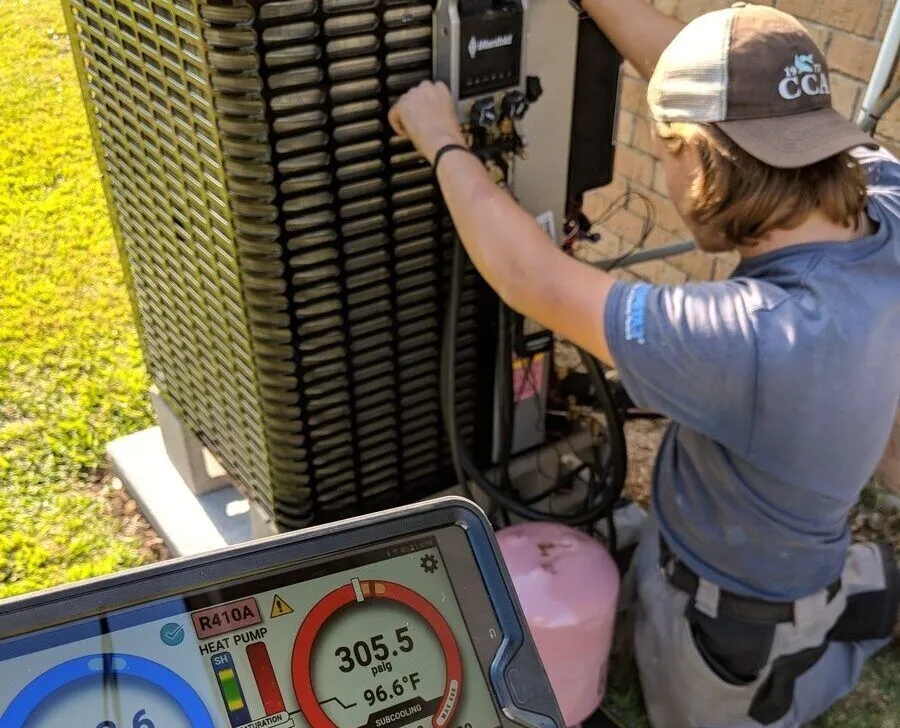
Often, performance falters due to small issues compounding. A slightly fouled condenser, a slipping blower belt, or a clogged condensate line can cascade into nuisance lockouts and comfort complaints. Regular HVAC Maintenance catches these early. Technicians can calibrate thermostats, validate airflow, and verify electrical connections, minimizing emergency AC Repair or Heating Repair calls when seasonal extremes arrive and crews are busiest.
Then, think filtration and ventilation as a system within the system. Particle capture, humidity control, and fresh-air exchange intersect with comfort and health. Pair MERV-rated filters with adequate fan capacity to avoid choking airflow. Where feasible, integrate energy recovery for balanced ventilation. For occupants with sensitivity concerns, enhance sealing around returns and confirm duct integrity so bypass leakage does not undermine Indoor Air Quality targets.
However, noise, placement, and service clearances also matter. Outdoor units need breathing room for heat rejection, while indoor air handlers should be isolated from bedrooms and workspaces to keep sound down. Verify pads are level and condensate drains are pitched correctly to prevent puddling. Label panels and breakers, and document serials and settings; a tidy mechanical layout speeds diagnostics and reduces downtime later.
Finally, map seasonal timing to reduce disruption. Off-peak windows can shorten lead times and provide slack for punch-list refinements. Schedule test runs ahead of heat waves or cold snaps to buffer risk. Keep a log of filter changes, coil cleanings, and thermostat tweaks so trends are visible. When systems age out, review historic data to refine the next spec, whether opting for Heat Pumps, packaged units, or a Ductless Mini Split zone.
Ultimately, refine your plan around resilience and adaptability. Buildings evolve as families grow or businesses expand, so leave electrical capacity headroom and space for future add-ons. Validate warranties and keep commissioning reports handy for future reference. With good design, steady upkeep, and thoughtful staging, your HVAC investment will deliver stable comfort, predictable costs, and room to adjust as needs shift over time.