Decoding Your HVAC Project: A Homeowner’s Field Guide to Smart Choices
Beginning any HVAC project starts with a clear scope. Define comfort goals, room-by-room temperature issues, and energy objectives before you request proposals. Document existing equipment ages, previous repairs, and any airflow concerns. This baseline helps contractors assess the system honestly and prevents guesswork. In practice, you want apples-to-apples quotes that reflect the same goals, load assumptions, and performance targets so your decision is based on value rather than vague promises.
Meanwhile, load calculations drive right-sized solutions. Ask for a Manual J or equivalent methodology rather than relying on square footage rules of thumb. Duct sizing and layout should follow accepted design standards, especially if past rooms struggled. Verify that return paths are adequate and supply registers are balanced. Undersized returns, long flex runs, and sharp bends sap performance. Proper design on paper prevents rework later and sets the stage for quieter, more efficient operation.
Beyond that, think lifecycle rather than one-off fixes. A plan spanning AC repair today and AC maintenance tomorrow keeps equipment stable and efficient. Track filter types, change intervals, and coil cleaning schedules. Validate that condensate management is accessible and protected. Small steps like sealing cabinet gaps or insulating accessible linesets chip away at waste. Over a decade, these habits buffer against unnecessary breakdowns and preserve indoor comfort under real-world loads.
However, replacement isn’t the only path. Many problems stem from airflow bottlenecks or controls. Inspect ductwork for leaks, mastic failures, disconnected boots, and crushed sections in attics or crawlspaces. Then refine zoning and thermostat placement to prevent short cycling. Technicians should test static pressure, temperature split, and airflow to identify the root cause. Fixing the underlying constraint first often stabilizes performance and postpones larger expenses responsibly.
Often, envelope upgrades multiply HVAC gains. Insulation services and targeted air sealing reduce heat gain and loss so equipment can idle more often. Attic Insulation depth, baffle integrity, and ventilation strategy matter when summer peaks hit. Window shading, door sweeps, and attic hatch gaskets sound small but add up. When you stage improvements, time the HVAC work after significant envelope changes so the new system is sized to the tighter, more efficient home.
Then, compare technology paths according to priorities. Heat pumps and Mini splits each bring flexibility; hybrids can balance efficiency and resilience. Evaluate noise ratings for indoor and outdoor units if bedrooms are nearby. Confirm electrical capacity, clearances, and condensate routing. If considering smart controls, validate compatibility with staging or variable-capacity equipment. Document every chosen setting so future technicians can calibrate without guessing and you can restore defaults after power events.
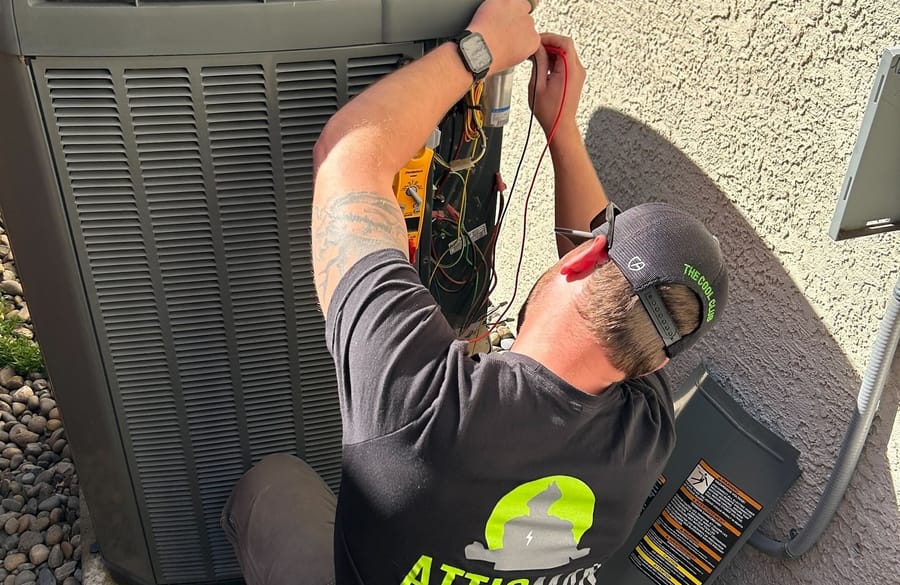
Next, evaluate providers by process, not slogans. Ask how they sequence the job: permitting, load calculation, duct assessment, installation day roles, start-up commissioning, and homeowner handoff. Quality outfits validate refrigerant charge with weighed-in methods or superheat/subcooling, measure static pressure, and record readings. Request a copy of those commissioning sheets. Thorough documentation becomes your proof of performance and a troubleshooting roadmap if something drifts later.
After installation, plan a 30-to-60-day check-in. Seasonal shifts reveal issues that a single visit can miss. Calibrate thermostats, tweak fan profiles, and verify that humidity control aligns with comfort. If you added zoning, recheck damper timing and bypass strategy. Keep a simple log of noises, hot spots, or run-time changes. This feedback loop helps the contractor refine settings and ensures the system delivers what the paper design promised.
Finally, budget with the whole picture in mind. Upfront numbers are only one part; filter costs, duct sealing, and periodic cleanings affect total cost of ownership. Some households value silence; others prioritize humidity control or rapid recovery. Rank these needs before comparing bids. Ask for options that phase improvements, such as AC installation after envelope upgrades or heating repair before deep winter. Phased plans spread costs while steadily improving reliability and comfort.
Ultimately, a steady rhythm of HVAC Services anchored by transparent testing, clear documentation, and right-sized design keeps surprises rare. When you and your contractor align on goals, sequence the work logically, and verify results, your home runs efficiently through heat waves, cold snaps, and everything between. Treat the system as a long-term asset, not a one-time purchase, and it will return comfort, control, and predictable performance for years.