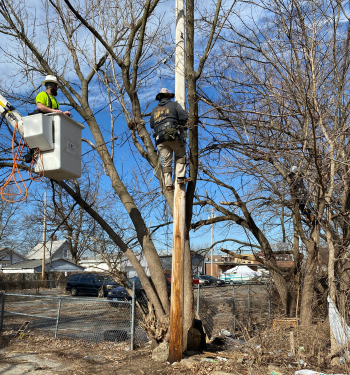
Deciding When and How to Remove a Problem Tree Without Regret
Homeowners weigh tree removal decisions under pressure from safety, property value, and neighborhood expectations. Assess structural soundness first by looking for dieback, trunk cavities, and root plate movement after storms. Scope nearby targets, utilities, and access routes that could magnify risk. Align your goals with the site’s constraints so you’re not over- or under-removing. Verify whether partial pruning or weight reduction might stabilize the canopy before escalating to full removal.
Meanwhile, planning the workflow helps manage time, cost, and disruption. Inspect the drop zone and overhead lines, then stage equipment to minimize lawn impact. Document obstacles such as fences and sheds to avoid surprise damage. Maintain a clear path for brush handling and chipper placement. Refine the cut plan to avoid barber-chairing or shock loads, especially on compromised stems. Buffer neighbors’ windows with mats and consider traffic cones near the curb.
Beyond that, decision support should factor in the tree’s species, age, and response to pruning. In practice, some species compartmentalize decay poorly and decline rapidly after major cuts, pushing removal higher on the list. Others tolerate staged reductions, buying time while budgets catch up. Validate that roots are not heaving sidewalks or invading drainage lines. Then check seasonal timing to lower disease transmission and to improve ground firmness for equipment access.
Often, the presence of power lines complicates the approach. Calibrate expectations by assuming limited climb zones and special rigging near energized conductors. Sequence cuts so branches swing away from hazards, and confirm minimum approach distances. Inspect for fused bark or previous strike marks that signal internal weakness. Phase the work if the canopy overreaches multiple properties, and document communications so adjoining owners understand the safety rationale.
However, removing only what’s necessary can preserve shade and habitat while protecting structures. Stage crown cleaning to take out deadwood first, reassess sway, and decide whether additional reduction is prudent. Validate trunk integrity with sounding or a probe if you suspect hidden voids. Maintain a margin for wind loading; leaving a top-heavy remnant invites failure. Finally, plan debris logistics early so chips, logs, and fines don’t bottleneck the crew.
Next, compliance and permits deserve early attention. Inspect local ordinances for heritage protections, replacement requirements, or street-tree rules. Verify property lines and easements to avoid disputes during Tree Removal activities. Document the tree’s condition with photos in case an insurance claim becomes relevant later. Align disposal methods with municipal green-waste policies, and ensure that equipment meets noise windows to prevent violations or fines.
Then, budgeting becomes clearer when you split tasks by complexity. Simple fell-and-buck jobs differ from technical dismantles with rigging, cranes, or access mats. Scope whether Tree Trimming can defer removal without compounding risks. Validate stump plans, since Stump Grinding depth and utility marking affect both timing and cost. Maintain contingency funds for rot pockets or metal in the trunk that can dull saws or damage grinders unexpectedly.
Meanwhile, emergency scenarios warrant a different lens. Emergency Tree Service focuses on immediate hazards like hung limbs, driveway blockages, or compromised roofs. Sequence tarping, temporary shoring, and selective cuts to stabilize the scene before full cleanup. Inspect for tensioned wood and sprung fibers that can release suddenly. Buffer responders and homeowners with strict exclusion zones, and document every step for post-incident review and claims.
Finally, vendor fit matters as much as the plan. Validate credentials, insurance, and power-line certifications where relevant. Inspect references and equipment condition to gauge readiness for complex rigging. Maintain open communication about staging areas, lawn protection, and cleanup expectations. Refine the scope as site realities emerge, and keep a simple punch-list: hazard mitigation, structural pruning where feasible, felling or dismantling, debris processing, and Stump Grinding if desired.
Ultimately, a thoughtful process yields safer outcomes and fewer surprises. Assess risks, align with regulations, and phase work to match weather, soil conditions, and neighbor schedules. Document before-and-after conditions to close the loop. Then maintain your landscape by planning replacements suited to the site. Tree Service professionals can support long-term canopy health, helping you avoid reactive decisions and extend the lifecycle value of your property’s trees.