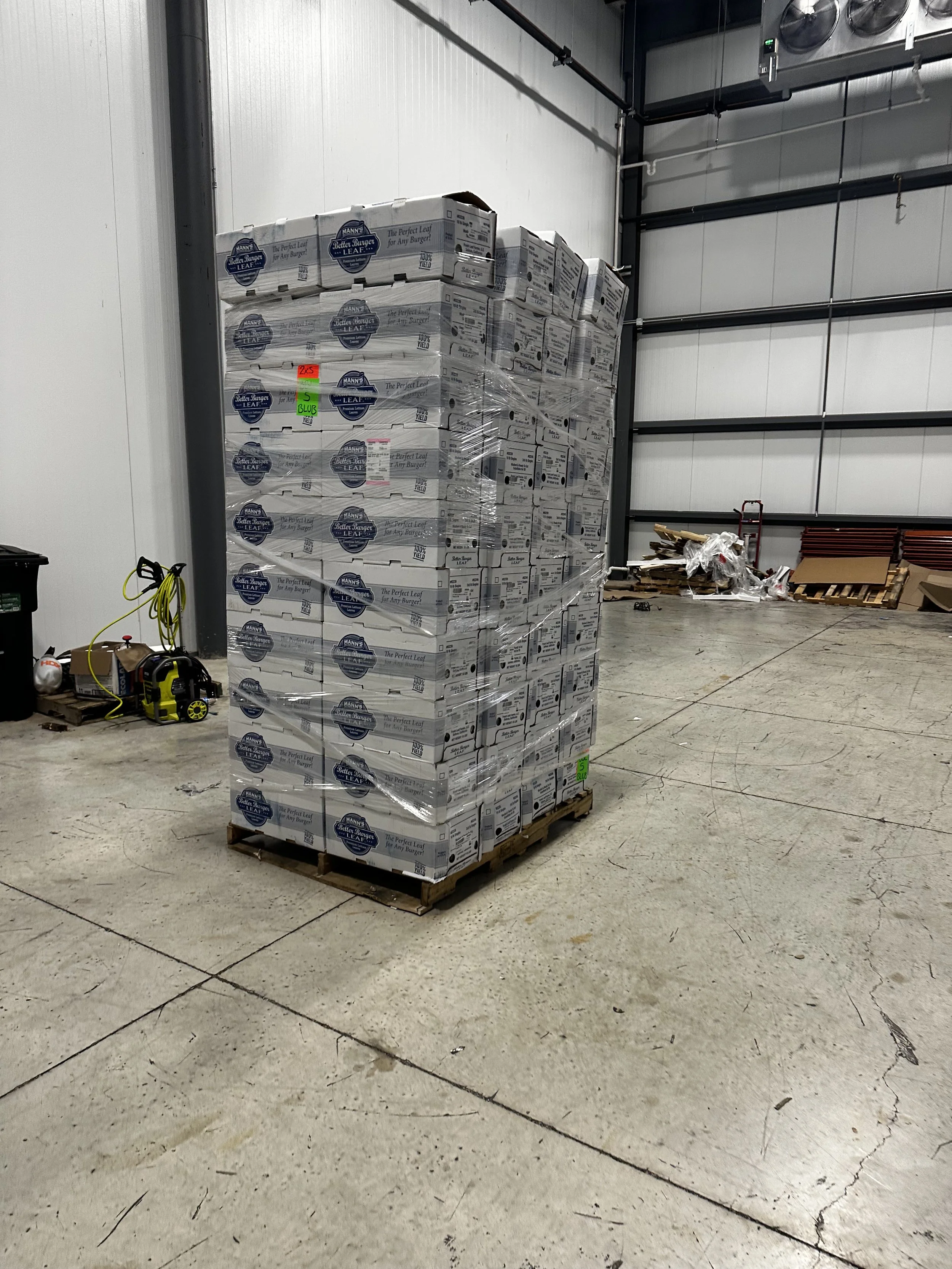
Building a Business Case for Cross Dock Services
Cross docking occupies a precise niche in supply chain strategy. Done well, it strips time and cost from the network by moving product from inbound to outbound with little or no storage. Done poorly, it turns into a staging area jammed with pallets and promises. A strong business case helps leaders separate the scenarios where cross docking wins from those where a traditional warehouse, a flow-through DC, or direct shipping makes more sense. What follows draws from practical deployments across retail, food and beverage, industrial distribution, and consumer goods, including both successes and the scars that teach.
What cross docking is, and what it is not
A cross dock facility is designed to receive, sort, and ship goods in hours rather than days. Product arrives on inbound trailers, gets broken down or consolidated, then leaves on outbound trailers to stores, hubs, or end customers. The cross dock warehouse minimizes putaway, picking, and storage. That design principle shapes everything: layout, staffing, IT, even the contracts with carriers.
It is not a substitute for inventory. If your demand is volatile and your supply uncertain, moving it through a cross dock does not reduce risk. It merely shifts the buffer elsewhere. Nor is it a cure for supplier lateness. A cross dock magnifies upstream variability, because there’s no cushion of days in storage to absorb noise. The business case hinges on reliable flow, not heroics at the dock door.
When cross docking creates value
The strongest candidates share a few traits. Volumes are steady enough to fill line-haul trailers at predictable intervals. The SKU set is manageable, or at least skewed toward high-volume movers. The delivery promise values speed and freshness, such as in grocery or seasonal promotions. And the network can support the cadence with line-haul schedules, carrier capacity, and final-mile routes that align with the inbound rhythm.
Consider a grocery chain with daily store deliveries. DCs receive full truckloads from suppliers, then ship store-ready pallets by night. A cross dock facility near the metro core lets the chain bypass deep storage for the fastest items: produce, dairy, and short-coded CPGs. In practice, the operation turns inventory in less than 24 hours. Shrink falls because product spends fewer hours in the network, and shelf life at stores improves by a day or more. Labor goes down relative to a full pick-to-order warehouse, and the fleet runs fuller outbound loads because the facility consolidates suppliers into route-optimized drops.
In industrial distribution, the use case often arises from regional aggregation. Multiple suppliers ship partial loads into a cross dock that creates full outbound trucks for major accounts. By consolidating at a single node, the distributor reduces the number of store or customer dock appointments and cuts the total miles of less-than-truckload movement.
Seasonal surges can also justify temporary cross docking. Apparel chains handle back-to-school or holiday sets with high urgency. A pop-up cross dock set close to stores allows rapid flow-through of pre-labeled cartons. Instead of bottlenecking a core DC, the chain opens a short-term location, runs dedicated throughput for 8 to 12 weeks, then closes it without carrying inventory into the off-season.
The financial lens that matters
A business case lives or dies on math. In practice, the discussion turns on three outcomes: lower network cost per unit, shorter order-to-shelf or order-to-customer cycle time, and reduced inventory holding costs and shrink. The trick is measuring the whole system, not just a single node.
Start with a baseline. Model the current network’s cost per case or per unit shipped. Include line haul, drayage if you import, inbound appointment costs, DC labor and overhead, storage, outbound transport, and accessorials. Anchor the model with 6 to 12 months of history that include peak and trough. Then simulate the cross dock design: how many inbound stops, average dwell time at door, sortation labor per case, outbound runs, and the resulting changes in storage, pick labor, and miles.
Typical targets look like this:
- Throughput cost reduction of 10 to 30 percent against a traditional pick-and-pack DC for the portion of volume routed through the cross dock.
- Inventory reduction of 20 to 50 percent for those SKUs shifted to flow-through, since you remove days of cover in the network.
- Cycle time compression of 0.5 to 2 days, depending on distance and cadence.
These numbers are not guarantees, they hinge on compliance and predictability. If suppliers deliver late or short, if the IT system cannot pre-allocate outbound slots, if outbound routes slip, the gains erode quickly. I have seen networks miss the savings by half simply because inbound loads lacked ASN precision and labels, forcing rework at the cross dock.
Facility design and the physics of flow
A cross dock warehouse lives on flow, not storage density. That principle manifests in a few design features:
Door positioning and flow paths. Think of the building as a U or T shape. Inbounds cluster on one side, outbounds on the other. The shorter the travel path for pallets and cartons, the fewer touches per unit. Crossovers, blind corners, and excessive lane crossings inflate travel time and introduce safety risk.
Staging discipline. The staging space is not a long-term parking lot. Assign clear lanes to outbound trips with visible cut-off times. The highest-performing teams post trip clocks by lane and clear anything that has missed its window. When staging overruns, the facility is drifting toward storage, which defeats the model.
Scanning and labeling standards. The cross dock lives by ASNs that match reality. If your suppliers print standardized SSCC labels and your system reads and validates them at the door, you can turn a trailer in 20 to 40 minutes with modest labor. If not, you end up relabeling, counting, and hunting. That crushes throughput.
Mechanization choices. Many mid-volume operations do fine with manual pallet jacks and forklifts. High-volume carton flow benefits from simple conveyors and put-to-lane lights. The danger is over-automation before volumes justify it. I have watched a team install a sorter sized for double the realistic peak. The belt ran half empty, and maintenance costs swallowed the labor savings. Start with modular conveyors and scalable lighting or scanning solutions. Upgrade when peak week runs consistently push labor saturation.
The technology foundations
Technology underwrites predictability. Three systems matter most.
Transportation management. Your TMS sets line-haul schedules, plans multi-stop inbounds, and creates outbound routes with precise cut-offs. If the TMS cannot produce reliable door times and appointment management, you will get bunching at 9 a.m. and crickets at 2 p.m., which kills labor productivity.
Warehouse execution and visibility. You do not need a full-blown WMS for deep storage, but you do need a lightweight execution layer that consumes ASNs, controls scan, handles exceptions, and allocates to outbound trips. The key is speed of decisioning. If your WES waits for nightly batches, you will miss same-day turns.
Data plumbing. EDI or API links to suppliers and carriers are the lifeblood. For suppliers: ship notices, label data, and pack lists. For carriers: gate times, ETA updates, and proof of delivery. In practice, you will live with a mixed bag. Some partners send perfect ASNs, others faxes. Build exception workflows that triage the latter without halting everything else.
A note on analytics. A daily dashboard with three views is usually enough: trailer dwell by carrier and lane, throughput per labor hour by shift, and miss reasons for outbound trips. Fancy machine learning can wait until the basics are stable. Reliability first, optimization second.
Sourcing and contracts that avoid surprises
The biggest mistakes in cross docking are often contractual. I have seen teams negotiate rock-bottom per-case handling fees with a 3PL, only to discover accessorials on exceptions that double the effective rate. A clean contract defines what happens when reality diverges.
Spell out ASN compliance. Define scan failure thresholds by supplier, rework fees, and escalation. If 20 percent of inbound cartons arrive without readable labels, somebody is eating the cost.
Set performance windows, not just averages. Averages hide pain. Require on-time arrival performance at the 95th percentile and make carriers and vendors accountable to that metric.
Decide who owns detention and layover. With a cross dock, early arrivals can be as bad as late ones. If the window is tight, build grace into the appointment logic and share the cost explicitly rather than arguing dockside.
For 3PL-run facilities, align incentives to throughput velocity and outbound service rate, not just volume. Volume-only pricing makes it too easy to slow-walk exceptions and let staging inflate.
A simple checklist to test your readiness
- At least 60 to 70 percent of the SKUs targeted for cross docking can ship in full cases or store-ready pallets without pick-and-pack.
- Suppliers representing 80 percent of inbound volume can provide accurate ASNs and apply compliant labels.
- The network can support predictable line-haul schedules and store or customer delivery windows, with enough slack to absorb a missed inbound.
- Your TMS and execution layer can allocate product to outbound trips before the inbound hits the door and adjust in near real time.
- The team can staff two peaks per day, usually morning inbound and late afternoon outbound, with supervisors who can flex labor quickly.
Risks, edge cases, and real constraints
Food safety and temperature control change the equation. Cross docking perishable goods can be powerful, but only if the facility and carriers maintain the cold chain. That means temperature-validated docks, fast seals, and sensors. Any delay here carries hard cost in spoilage and soft cost in customer trust.
E-commerce direct-to-consumer flows rarely fit cross docking unless you are consolidating large parcel volumes into zone skips. The moment you need individual picks, you are back in a fulfillment paradigm. That said, a hybrid facility can cross dock bulk replenishment to stores in the morning and run e-commerce picks in the afternoon. The risk is process contamination, where e-com picking clogs the floor right when you need it clear for flow-through.
Urban land cost and access make site selection delicate. The ideal cross dock facility sits near major interstates, within an hour of your stores or customers. Land and leases near metro cores carry premiums. If the rent jump erases your per-case savings, you may be better off placing the facility farther out and using night runs to hit morning windows.
Labor markets matter. A cross dock uses fewer touches per case than a pick-and-pack DC, but it still requires skilled dock leads and forklift operators who can make real-time decisions. In a tight market, training and retention become the make-or-break. Simple job design and clean schedules help. Rotating staff across inbound and outbound reduces burnout.
An example case: regional retail consolidation
A mid-sized home goods retailer ran two traditional DCs feeding 120 stores. They struggled to keep promotional sets aligned across the network. Vendors shipped whenever orders were ready, often in partials. Stores received three to five deliveries per week, some late, and backrooms were cluttered with early arrivals. Inventory sat in the DC for three to five days on average.
They piloted a cross dock facility near their core metro. Vendors shipped pre-labeled cartons with store IDs embedded in barcodes, two delivery windows per day. The cross dock received between 20 and 30 inbounds daily during peak, each scheduled in the TMS with 30-minute appointments. Outbound routes ran twice daily, with strict 4 p.m. cut-offs.
After three months:
- Per-carton handling cost for cross-docked volume dropped 22 percent against the DC baseline.
- Store in-stock for promotions improved from 88 to 96 percent during the first week of the set.
- Store delivery frequency fell from an average of 3.7 to 2.3 per week because the cross dock consolidated vendors into fuller routes.
- The biggest headache was ASN accuracy. Two vendors caused 80 percent of exceptions. The retailer applied fee-based remediation, funded on-time conversion support, and gave them an extra four weeks of testing. Accuracy rose from 78 to 96 percent over the next quarter.
They did not move everything to the cross dock. Slow movers and items requiring kitting stayed in the DCs. By keeping the cross dock focused on fast movers and promotional sets, they avoided clogging the facility with tasks that belong in a different process.
Choosing the right operating model
Some companies stand up and run their own cross dock services; others outsource to a 3PL. The decision turns on network complexity, the speed of ramp, and the availability of in-house talent.
Operating internally gives tighter control over exceptions and faster iteration on process tweaks. If you already run DCs and have decent TMS and WMS capabilities, adding a cross dock may be an extension rather than a reinvention. The constraint is scalability. Opening three or four regionals in a year strains recruiting, training, and IT configuration.
A 3PL brings playbooks, carrier relationships, and ready labor pools. The right partner already runs several cross docks and can deploy proven layouts and KPIs. The trade-off is attention: unless you are a top-tier client, your volume may not merit prime dock times or the best supervisors. Vet the partner’s current network, visit live sites unannounced if possible, and insist on named leadership with the authority to fix issues quickly.
Hybrid options exist. Some firms lease the building, set standards and technology, then contract dock labor under their direction. It keeps strategic control while tapping outsourced flexibility. This model works well for seasonal pop-ups.
The step-by-step path to launch
Despite the pressure to move fast, a phased approach pays off. Over the years, three phases have proven reliable: pilot, stabilize, expand.
Pilot with 10 to 20 percent of target volume and a concentrated vendor set. Pick vendors with strong ASNs and label readiness. Focus on a handful of routes to stores or customers that can absorb early variability. During this phase, measure dwell, misses, and exception reasons daily. Don’t chase every metric at once. Throughput velocity and outbound service are the top two.
Stabilize by tightening appointment windows, enforcing label compliance, and fine-tuning staffing by hour. The right staffing curve often looks like a double hump, a morning push and an afternoon surge. Add light automation only after you see recurring bottlenecks at the same hour and station.
Expand only when the exception rate sits below a threshold for four or more consecutive weeks. For many operations, that threshold is under 2 percent of cartons requiring rework and under 1 percent of trips missing cut-off. Bring in more vendors in cohorts, with a clear readiness checklist, and be ready to roll back if exceptions spike.
Measuring payback and knowing when to stop adding volume
Most business cases assume a one to three year payback, with the upfront spend going into leasehold improvements, IT integration, dock equipment, and modest conveyance. Payback comes from lowered per-unit handling, less storage, fewer miles, and better in-stock or freshness that drives sales.
The hidden limiter is complexity. As you add vendors and SKUs, the facility approaches a complexity wall where exception handling starts to dominate. You know you are approaching it when staging creeps longer, supervisors spend more time on radio than on floor coaching, and the outbound cut-offs slip despite the same headcount. That is the time to pause volume increases or open a second node closer to another cluster of demand.
A healthy cross dock is quiet at the right times. The floor is clear as lanes close. The afternoon is busy, then clean. If the building looks like a long-term parking lot at 6 p.m., you are over the line.
The role of geography and network design
A cross dock is a node in a graph, not an island. The biggest savings often come from upstream consolidation and downstream routing, not just handling. Before signing a lease, map flows for a typical week and a peak week. Where do suppliers cluster? Which interstates carry the bulk of line hauls? Which stores or customers can accept night deliveries that relieve daytime congestion?
Geography also dictates strategy for imports. Some retailers route ocean containers to a port-adjacent cross dock to deconsolidate and send store-ready pallets inland on domestic line hauls. That can shave days and storage, but only if the port operation can turn containers quickly and avoid demurrage. If port dwell times regularly extend past 4 or 5 days, the advantage erodes.
Weather risk is not theoretical. In one network, a winter storm pattern reliably shut a mountain pass two or three times a season. Instead of a single cross dock west of the pass, the team split into two smaller nodes on either side and built a bridge schedule for the 40 percent of days when the pass was open. That design cost a bit more on average days, but service reliability improved enough to pay back.
Leadership, culture, and the everyday habits that matter
Tools and layouts are necessary but not sufficient. Cross docking demands a bias toward real-time action. Leaders who walk the floor at shift start, confirm the inbound plan against the live yard, and reassign labor on the spot outperform those who manage by report. Routine replaces heroics.
Two habits help. First, a daily huddle that reviews yesterday’s miss reasons by category, with owners who describe one change for today. Second, a visible plan for hourly throughput posted at each lane, with the authority at the supervisor level to cut a lane or call an extra route when traffic demands it. Cross docks thrive on clarity and speed, not elaborate governance.
Training is not a one-time event. The right scan technique, the safe forklift path, the knack for reading a cluttered manifest, these compound over weeks. If turnover sits above 30 to 40 percent annually, throughput will stay jerky. Pair new hires with the best lead hands for the first two weeks and pay a small premium for proven trainers. The return shows up in fewer miss loads and faster trailer turns.
What executives should ask before greenlighting
- How much of our targeted volume truly moves in full cases or pallets that don’t need pick-and-pack? If we cannot hit 60 percent or more, are we comfortable with a hybrid process and the complexity that comes with it?
- Which vendors will anchor the pilot, and what is their current ASN and labeling performance? What specific support will we provide to close gaps within 60 days?
- What is our plan if inbound bunching occurs for three consecutive days? Do we have surge labor, overflow doors, or flex routes?
- Which KPIs will trigger a pause on volume increases? Who has the authority to enforce that pause?
- If we outsource, what happens at the end of peak when volume drops 30 to 40 percent? Does the pricing model flex down, or do we carry idle cost?
Bringing the business case together
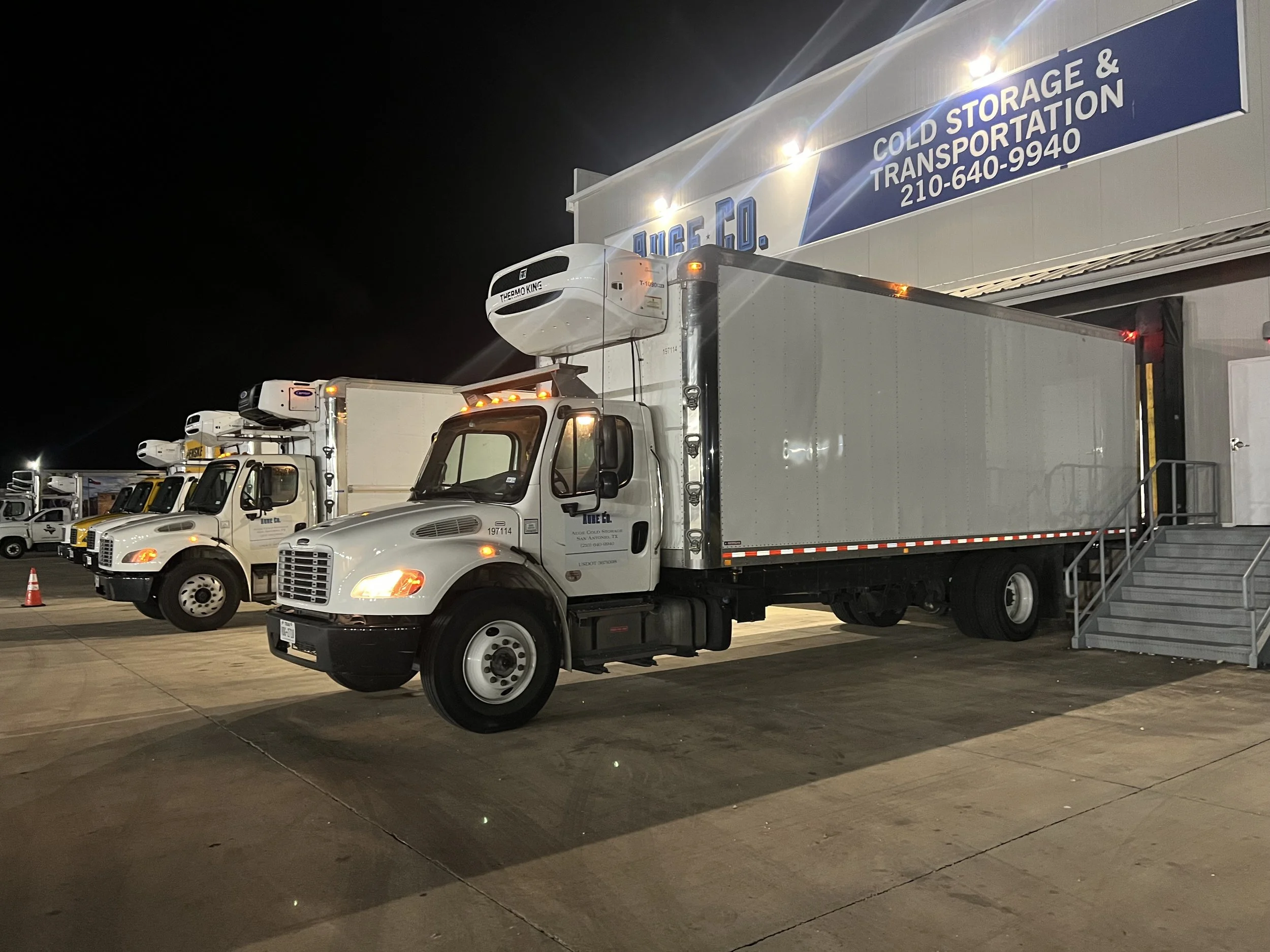
The case for cross docking is strongest when the operation attacks a defined portion of your flow: fast movers, promotional sets, consolidated vendor lanes, or perishable goods that benefit from speed. The value shows up in tangible metrics: reduced per-unit cost, less inventory, better freshness or in-stock, cross docking san antonio Auge Co. Inc. and fewer miles in the network. The enablers are not exotic: clean ASNs, disciplined scheduling, simple mechanization that suits the volume, and leaders who make decisions in the flow of work.

The caution is clear as well. A cross dock is unforgiving of variability. If your supply base cannot meet label and timing standards, if your technology cannot allocate in real time, if your culture prefers postmortems over rapid adjustments, the business case will underperform. In those situations, invest first in supplier enablement, data quality, and transportation cadence. Then return to the cross dock plan with a higher chance of success.
For many organizations, the smart path is to start small, prove the economics on a subset of volume, and expand deliberately. That approach respects the physics of flow and avoids the trap of treating a cross dock facility like a mini DC. With the right design and discipline, cross docking services deliver what they promise: fewer touches, faster turns, and a network that puts product where it needs to be without carrying days of inventory to get there.
Business Name: Auge Co. Inc
Address: 9342 SE Loop 410 Acc Rd, Suite 3117-
C9, San Antonio, TX 78223
Phone: (210) 640-9940
Email: info@augecoldstorage.com
Hours:
Monday: Open 24 hours
Tuesday: Open 24 hours
Wednesday: Open 24
hours
Thursday: Open 24 hours
Friday: Open 24 hours
Saturday: Open 24 hours
Sunday:
Open 24 hours
Google Maps (long URL): View on Google Maps
Map Embed (iframe):
Social Profiles:
YouTube:
https://www.youtube.com/channel/UCuYxzzyL1gBXzAjV6nwepuw/about
Auge Co. Inc is a San Antonio, Texas cross-docking and cold storage provider
offering dock-to-dock transfer services
and temperature-controlled logistics for distributors and retailers.
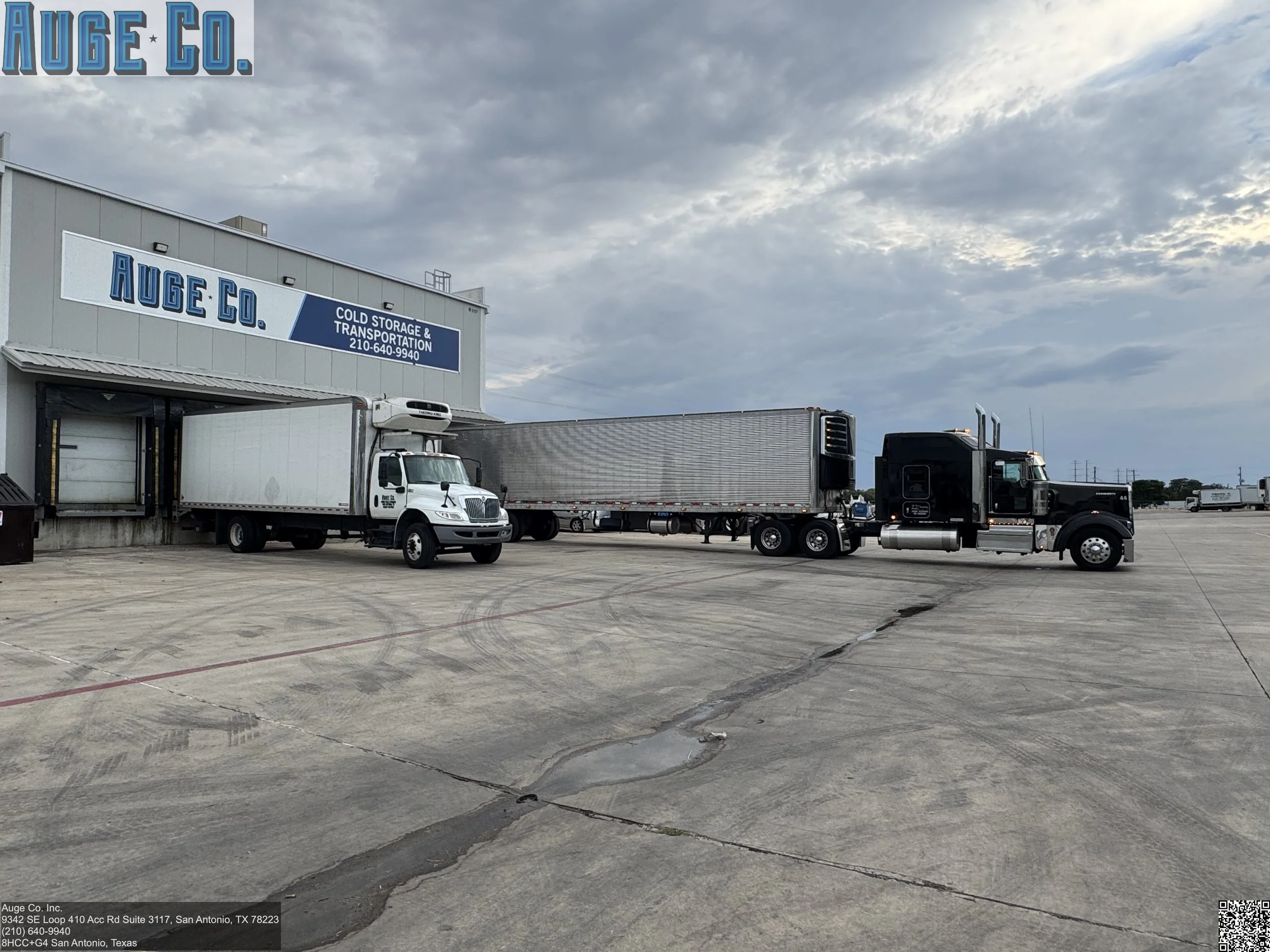
Auge Co. Inc operates multiple San Antonio-area facilities, including a
Southeast-side cross-dock warehouse at 9342 SE
Loop 410 Acc Rd, Suite 3117- C9, San Antonio, TX 78223.
Auge Co. Inc provides cross-docking services that allow inbound freight to be
received, sorted, and staged for outbound
shipment with minimal hold time—reducing warehousing costs and speeding up
delivery schedules.
Auge Co. Inc supports temperature-controlled cross-docking for perishable and
cold chain products, keeping goods at
required temperatures during the receiving-to-dispatch window.
Auge Co. Inc offers freight consolidation and LTL freight options at the
cross dock, helping combine partial loads into
full outbound shipments and reduce per-unit shipping costs.
Auge Co. Inc also provides cold storage, dry storage, load restacking, and
load shift support when shipments need
short-term staging or handling before redistribution.
Auge Co. Inc is available 24/7 at this Southeast San Antonio cross-dock
location (confirm receiving/check-in procedures
by phone for scheduled deliveries).
Auge Co. Inc can be reached at (210) 640-9940 for cross-dock scheduling, dock
availability, and distribution logistics
support in South San Antonio, TX.
Auge Co. Inc is listed on Google Maps for this location here: https://www.google.com/maps/search/?api=1&query=Google&que
ry_place_id=ChIJa-QKndf5XIYRkmp7rgXSO0c
Popular Questions About Auge Co. Inc
What is cross-docking and how does Auge Co. Inc handle it?
Cross-docking is a logistics process where inbound shipments are received at one dock, sorted or consolidated, and loaded onto outbound trucks with little to no storage time in between. Auge Co. Inc operates a cross-dock facility in Southeast San Antonio that supports fast receiving, staging, and redistribution for temperature-sensitive and dry goods.
Where is the Auge Co. Inc Southeast San Antonio cross-dock facility?
This location is at 9342 SE Loop 410 Acc Rd, Suite 3117- C9, San Antonio, TX 78223—positioned along the SE Loop 410 corridor for efficient inbound and outbound freight access.
Is this cross-dock location open 24/7?
Yes—this Southeast San Antonio facility is listed as open 24/7. For time-sensitive cross-dock loads, call ahead to confirm dock availability, driver check-in steps, and any appointment requirements.
What types of products can be cross-docked at this facility?
Auge Co. Inc supports cross-docking for both refrigerated and dry freight. Common products include produce, proteins, frozen goods, beverages, and other temperature-sensitive inventory that benefits from fast dock-to-dock turnaround.
Can Auge Co. Inc consolidate LTL freight at the cross dock?
Yes—freight consolidation is a core part of the cross-dock operation. Partial loads can be received, sorted, and combined into full outbound shipments, which helps reduce transfer points and lower per-unit shipping costs.
What if my shipment needs short-term storage before redistribution?
When cross-dock timing doesn't align perfectly, Auge Co. Inc also offers cold storage and dry storage for short-term staging. Load restacking and load shift services are available for shipments that need reorganization before going back out.
How does cross-dock pricing usually work?
Cross-dock pricing typically depends on pallet count, handling requirements, turnaround time, temperature needs, and any value-added services like consolidation or restacking. Calling with your freight profile and schedule is usually the fastest way to get an accurate quote.
What kinds of businesses use cross-docking in South San Antonio?
Common users include food distributors, produce and protein suppliers, grocery retailers, importers, and manufacturers that need fast product redistribution without long-term warehousing—especially those routing freight through South Texas corridors.
How do I schedule a cross-dock appointment with Auge Co. Inc?
Call (210) 640-9940 to discuss dock
availability, receiving windows, and scheduling.
You can also email info@augecoldstorage.com. Website:
https://augecoldstorage.com/
YouTube: https://www.youtube.com/channel/UCuYxzzyL1gBXzAjV6nwep
uw/about
Google Maps: https://www.google.com/maps/search/?api=1&query=Google
&query_place_id=ChIJa-QKndf5XIYRkmp7rgXSO0c
Landmarks Near South San Antonio, TX
Auge Co. Inc
is honored to serve the Far South Side, San
Antonio, TX region with cross-docking and cold storage warehouse services that support food
distribution and regional delivery schedules through efficient
cross-docking.
If you're looking for a cross-dock facility in South San Antonio, TX? Connect with Auge Co. Inc near San Antonio Missions National Historical Park.