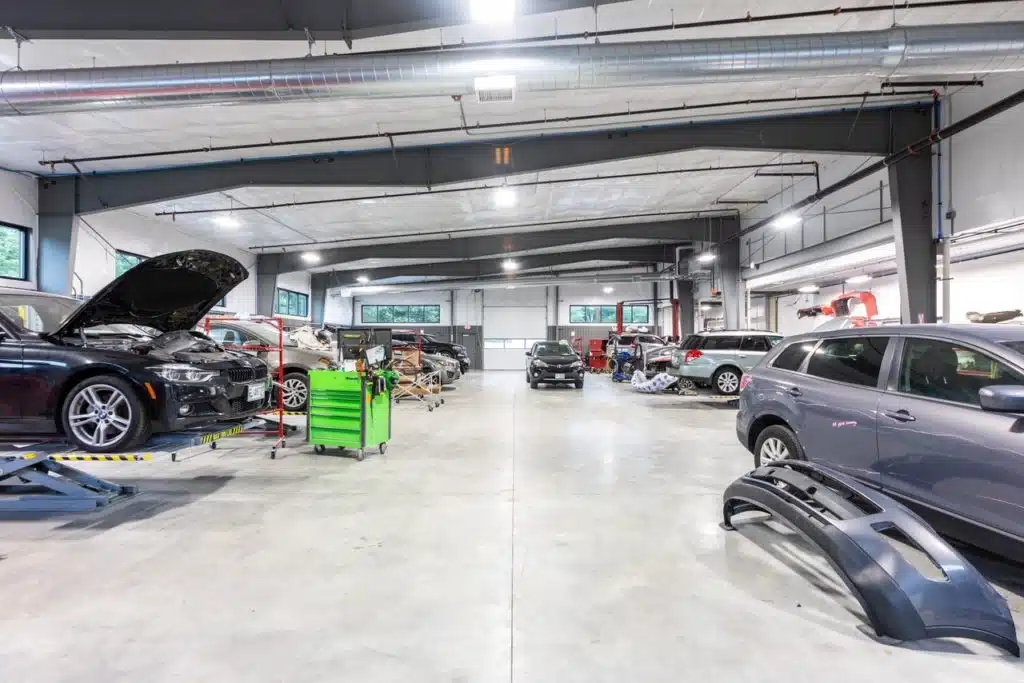
Top Tips to Keep Your Car’s Value After Collision Repair from a North Hampton, NH Auto Body Shop
Most buyers and insurers can spot the difference between a car that was repaired to spec and one that was hurried through. As a shop that sees New England winters, briny coastal air, and the occasional deer strike, we’ve learned what preserves value after collision repair and what quietly costs you at trade-in. The goal is simple: restore structure, safety, and appearance so well that the next appraiser has nothing to deduct.
Start with documentation that tells a clear story
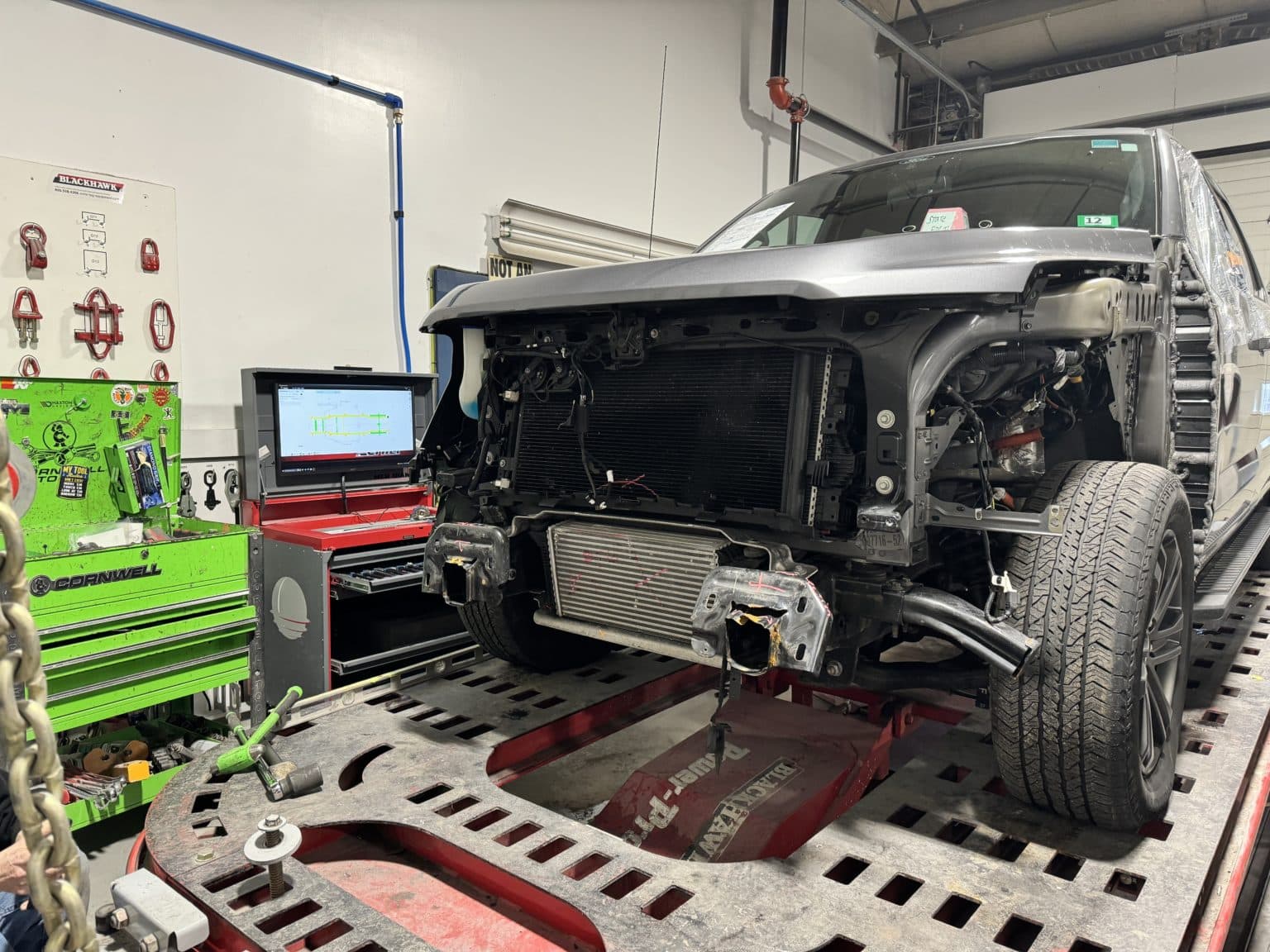
Value follows paperwork. Request a complete repair file: estimate revisions, parts invoices, paint codes, alignment and ADAS reports, weld logs if structural work was done, and photos before, during, and after. When we deliver a car at our auto body shop in North Hampton, NH, we assemble this packet because it proves the car was fixed correctly, not patched. If an airbag module was replaced or an occupant sensor reset, that should be in writing. If the unibody was measured on a frame bench, include the printout. Organized records can narrow a diminished value claim and help during future sale.
OEM repair procedures are not optional
Modern vehicles are engineered around predictable crush paths and electronics. Repairing them by memory invites liability and lost value. Ask your shop to follow OEM procedures for the exact VIN, and to use an approved welding process, seam sealer, and corrosion protection in the same locations the factory used. On aluminum panels, the wrong rivet or heat can telegraph through paint months later. For structural parts, resist salvage or “sectioned” shortcuts if the manufacturer calls for full replacement. Appraisers recognize when rails, aprons, or rocker panels were replaced per spec, and they price accordingly.
Genuine vs aftermarket parts, with nuance
You do not need OEM everything, but you do need OEM where it matters. Bumper covers with parking sensors, headlamps with matrix LEDs, radar brackets, and any part with structural or calibration-critical geometry should be genuine. On a 5-year-old commuter, a high-quality certified aftermarket fender might be fine, especially if the OEM part is on national backorder. The trade-off shows up in panel gaps and paint holdout. When in doubt, ask your estimator to flag which parts influence safety systems or visibility. Saving 200 dollars on a crash bar that compromises airbag timing is false economy.
Color match and texture are your silent appraisers
Paint match is where resale is won or lost. Proper blending into adjacent panels, using the correct variant of the paint code, and duplicating OEM orange peel and texture keeps the car from looking “repaired.” We regularly spray out two or three variants on a test card before committing, because silver and pearl whites are unforgiving under coastal sun. Do not forget the edges: door jambs, apertures, and underside of hoods should be auto body repair estimate clean, with seam sealer that mirrors factory brush marks. A perfect color on the outside with overspray inside knocks dollars off in seconds.
Don’t skip the mechanical and alignment checks
Collision repair and car mechanical repairs overlap more than people think. A curb strike can tweak a subframe or stress a wheel bearing. After structural work, insist on a four-wheel alignment with printout, steering angle sensor reset, and a road test over varied speeds. Listen for tire cupping or humming at 45 to 60 mph that suggests hidden damage. Fluids, especially coolant and transmission fluid on front-impact cars, should be inspected for leaks after a few heat cycles. If you tow, verify the hitch and rear structure remain within specification; a bent rear body panel can alter tongue weight behavior.
ADAS calibration services are part of the repair, not an add-on
Any work near bumpers, windshields, mirrors, or the roof often requires ADAS calibration services. Forward radar, 360 cameras, blind-spot modules, and LIDAR units have tight tolerances. A vehicle can drive straight yet misjudge distance by several feet. We perform static and dynamic calibrations in-house, then document each system status. Skipping this step triggers warning lights later, torpedoes inspection stickers, and undermines buyer trust. If your shop sublets calibrations, ask for the facility’s certificate and the final report tied to your VIN.
Rust prevention is non-negotiable in coastal New Hampshire
North Hampton roads collect salt spray in winter. Any repair that exposes bare metal must receive epoxy primer, cavity wax inside closed sections, and correct seam sealer. We spray cavity wax through access holes in rockers, rails, and liftgate seams, then note the product and date. Without this, rust creep starts within one to two seasons and is obvious to an appraiser. If a windshield or back glass was replaced, ensure urethane beads match OEM paths and pinch welds are protected, or corrosion will bloom under the molding.
Mind the small things buyers notice
- Matching tire brands and tread depths across an axle, with road force balancing to tame vibrations.
- Headlamp aim and fog lamp alignment, verified at night against a flat wall.
- New fasteners and clips instead of painted-over or missing hardware.
- Clean DTC scan with no pending codes, captured after a full drive cycle.
- Fresh cabin air filter if the dash was apart, and a meticulous interior detail to remove glass dust.
Work with your insurer, but choose your shop
New Hampshire drivers can select the facility they trust. Insurers manage costs, but you approve the method and parts. A reputable auto body repair team will advocate for OEM procedures, explain supplement needs, and show you why a part must be replaced instead of repaired. If you are comparing estimates, look beyond the bottom line to see who included calibrations, corrosion protection, and blending. The cheapest path often leaves value on the table at trade-in.
After-delivery follow-up protects your investment
Schedule a 30-day check. Paint will cure, clips can relax, and alignments may shift slightly. We invite customers back for a quick scan, a fastener recheck, and a wash that lets us inspect for nibs or dust-inclusion touch-ups. If you feel a new vibration at highway speed or notice a moisture line in a headlamp after a storm, bring it in promptly. Early fixes preserve both safety and value.
A careful collision repair does more than make a car shiny again. It restores integrity, documents competence, and anticipates the questions an appraiser or buyer will ask. With thorough records, OEM-informed methods, proper calibrations, and corrosion defense suited to the Seacoast, your vehicle stands tall on the lot and on the road.