
The Benefits of Regular HVAC Tune-Ups in Nixa, MO
When you live in Nixa, you come to respect the seasons. Winters can bite, summers can sit heavy and humid, and the days in between are fickle enough to make a thermostat earn its keep. If your house depends on a forced-air furnace and a central air conditioner, your comfort hinges on the health of one system. That system thrives on routine attention. Regular HVAC tune-ups are not a luxury or a gimmick, they are the maintenance that keeps mechanical reality from colliding with seasonal extremes.
I’ve crawled through enough crawlspaces and stood beside enough humming condensers to know how a well-tuned system sounds, and how a neglected one begins to whisper trouble. You do not need to become an expert to benefit from that insight. You just need a plan, and a dependable HVAC Company Nixa, MO homeowners trust for honest service. Here’s what those tune-ups do, why they matter in our local climate, and how to schedule them in a way that pays you back in comfort and cash.
What a Tune-Up Really Includes
A proper tune-up is not a quick filter swap or a five-minute glance at the thermostat. It is a set of checks and adjustments that vary slightly by equipment type and age, but share the same goals: restore performance to factory intent, reduce strain, and catch small failures early.
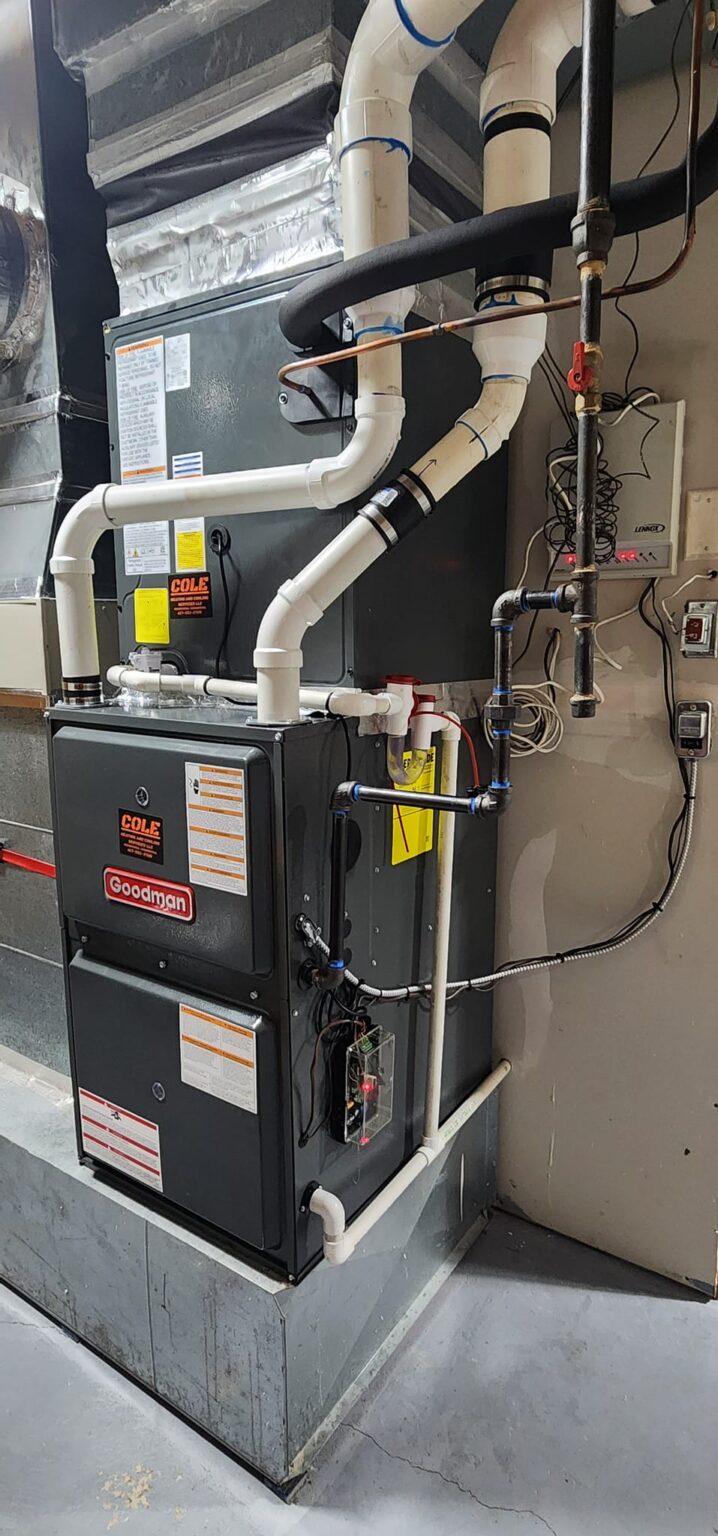
For air conditioning, a tech will inspect and rinse the outdoor condenser coil, measure refrigerant pressures and superheat/subcooling to verify charge, test the capacitor and contactor, verify condenser fan amperage, and clean the evaporator coil if accessible. They will check the condensate drain, clear blockages, and confirm the float switch works, because a clogged drain can soak a ceiling in a single weekend. They will test temperature split across the coil and confirm the blower speed matches ductwork and tonnage.
For Heating, especially forced-air gas furnaces common in Nixa, testing shifts to safeties and combustion. Expect a combustion analysis if ports allow, inspection of the heat exchanger for cracks or corrosion, verification of flue draft, cleaning of flame sensors and burners, and calibration of gas pressure. Electrical checks matter here as well, particularly inducer motor amperage, blower performance, and the integrity of wiring connections that expand and contract through thousands of heat cycles.
If you use a heat pump, both modes deserve attention. The refrigerant circuit works year-round, the reversing valve gets tested, defrost controls are verified, and auxiliary heat staging is confirmed. The thermostat sequence is checked so you don’t pay for electric resistance heat when mild weather would allow the heat pump to carry the load.
The shared backbone across all systems includes static pressure measurements, duct inspection where accessible, air filter evaluation, thermostat calibration, and a general look at the integrity of the cabinet, insulation, and seals. Static pressure often tells the story before the system does. High static strains the blower, throttles airflow, and forces longer runtimes, a slow drain on your electric bill that looks like “just the way it is” until someone actually measures it.
Why Routine Matters in Nixa’s Climate
Our region’s weather punishes deferred maintenance. Dust rides spring winds and settles in return cavities. Pollen clogs filters early, then summer heat bakes anything left on the condenser into a stubborn layer that sheds heat poorly. By August, a condenser coil matted with cottonwood fluff and lawn debris can run 10 to 20 degrees hotter than intended, which adds amperage draw and shortens compressor life. In winter, cold snaps test furnaces for sustained runtime. If the flame sensor is marginal or the pressure switch tube has a hairline crack, the furnace will lock out at the worst possible time. Those are preventable failures.
I once fielded a call from a homeowner off Highway CC on a July afternoon. The system was short cycling and the breaker tripped twice. From the driveway I could hear a strained condenser fan, the kind of pitch that suggests an overworked motor. The coil looked clean at a glance, but a quick fin comb revealed a layer of debris and compacted dust that blended with the metal. After a thorough rinse and a capacitor replacement that tested 12 percent below rating, the head pressure dropped into range and the fan sounded normal. The electric bill the next month fell by roughly 12 percent compared to the same period the prior year, even though the weather was just as hot. That is the compound effect of airflow, refrigerant balance, and electrical components all in spec.
Efficiency Gains You Can Feel and Measure
If you only think about efficiency as the SEER rating on the brochure, you miss how much the field conditions swing real performance. A 16 SEER air conditioner with a coil that is 30 percent fouled will behave like something closer to 12 to 13 SEER. A furnace with a dirty blower wheel can lose a significant chunk of airflow, which translates to longer cycles, hotter heat exchangers, and a greater chance of the high limit tripping on cold nights. You might not notice the limit trip, you just notice rooms falling behind.
In measurable terms, a thorough tune-up can restore a 5 to 15 percent efficiency gap created by dirt, misadjusted blower speeds, or a weak run capacitor. Not every home or system will hit those numbers, but enough do that it becomes a reasonable expectation. On a typical Nixa home with a 3 to 4 ton system and average annual cooling usage, that improvement can shave anywhere from 60 to a few hundred dollars per year off electric costs, depending on rates and home size.
The more immediate efficiency gain is comfort per cycle. Balanced charge and proper airflow produce colder supply air in summer and more consistent, even heat in winter. Fewer starts and stops reduce wear, and the system reaches steady-state operation faster. You experience less room-to-room temperature swing and more stable humidity control, which matters in our muggy months. When someone says their house feels “clammy,” nine times out of ten the root is airflow misconfiguration, not a mystical property of the home. Tune-ups catch that.
Longevity and the Cost Curve
Replacing a compressor or heat exchanger is expensive. The cost of a new condenser fan motor and capacitor might be a few hundred dollars installed, while a compressor can run into the thousands. Regular tune-ups tilt your odds decisively toward the smaller repairs. The most common failures I see are the ones that provide warning signs months in advance: a bulging capacitor, pitted contactor points, corroded flame sensor, or a drain line starting to slime. Tune-ups move those symptoms from emergency calls at 9 p.m. to scheduled maintenance on a Tuesday morning.
Life expectancy for most HVAC systems in our area lands around 12 to 18 years with normal care. Systems that live outdoors in direct sun, tucked behind shrubs, or coated in mowing clippings will age faster. Systems with clean coils, proper clearances, and balanced airflow make it to the upper range. A well-maintained furnace can easily run past 20 years, though efficiency improvements often justify replacement earlier. A neglected air conditioner with repeated high-head-pressure trips may see the compressor fatigue long before its time.
The math is straightforward: a yearly tune-up costs less than a single after-hours service call. If it prevents even one breakdown every two or three years, you come out ahead. Add the energy savings and the improved comfort, and you are no longer “spending” on maintenance, you are moving costs from surprises to budget.
Air Quality, Health, and Quiet Comfort
Nixa’s tree canopy makes autumn beautiful Go to this website and spring challenging for allergies. When filters load up early in the season, airflow drops and indoor air quality falls with it. Tune-ups keep filters matched to the system. Oversized high-MERV filters jammed into return grilles can choke airflow, even while catching more particulates. A good technician will measure static pressure and recommend a filter strategy that balances capture with breathing room for your blower.
On more than a few visits, I have found UV lights that burned out years earlier, media filters packed like a sled of leaves, and blower wheels with a felted coat that could be scraped off like icing. Cleaning and calibration do more than lower your bill. They quiet the system. A clean blower is a smoother blower, and a clean condenser is a calmer condenser. Less noise, fewer rattles, fewer late-night wakes when the furnace kicks like a mule because the duct expands under strain.
If your home has family members with asthma or seasonal allergies, ask your HVAC Contractor Nixa, MO residents recommend for a static pressure reading during the tune-up. With that number in hand, you can make informed choices about filter media, return upgrades, or duct sealing. Sealing leaky return ducts in a dusty attic can transform a home’s dust load in a single afternoon, and it pairs naturally with a routine service visit.
Safety Is Not Optional
Gas furnaces deserve respect. A cracked heat exchanger can leak combustion byproducts into the airstream, and while catastrophic failures are rare, small cracks combined with negative pressure in the home can create backdraft conditions. A tune-up includes inspection of the heat exchanger where visible, verification of flue draft, and testing of safeties like the rollout switch. If your technician recommends a combustion analysis, that is not a sales pitch. It is a measurement that confirms carbon monoxide is staying inside the flue where it belongs.
Electrical safety matters as well. Loose lugs in the disconnect, frayed whip conduits, and corroded ground points are all things a seasoned tech will catch. Outdoor units often sit in splash zones from downspouts. Water and electricity do not negotiate. A repositioned downspout or a $10 splash block can extend the life of your contactor and keep ants from nesting inside a warm cabinet.
What “Regular” Should Mean Here
For most homes in the Ozarks, twice-yearly makes sense: once in spring for Air Conditioning, once in fall for Heating. If you have a heat pump that runs year-round, the spring visit is still critical, but consider a lighter mid-summer check if you notice performance sag. If your home is a construction site magnet or sits near gravel roads, you may need to change filters more often and clean the condenser twice per season. Older systems or those that have been neglected benefit from an initial deep service, then settle into routine visits.
Rental properties in Nixa, especially those with student tenants or large families, often see higher dust loads and harder use. Building a maintenance plan with an HVAC Company Nixa, MO property managers rely on can reduce move-out surprises and middle-of-the-night calls that eat into deposits and goodwill.
What a Good Technician Brings to the Visit
Not all tune-ups are created equal. A 20-minute “clean and check” that skips static pressure, never lifts a furnace door, and avoids the coil covers isn’t maintenance, it is a drive-by. A good tech arrives with a digital manometer for static, a refrigerant scale and gauges or probes, a multimeter that actually gets used, a coil cleaner appropriate for your fin type, and basic parts like capacitors and contactors common to your model.
Expect conversation. If your thermostat overshoots, if a back bedroom runs hot, if your humidity rises above 55 percent in summer, mention it. Good technicians like clues. They will compare supply and return temperatures, inspect dampers, and suggest changes like adjusting blower speed or balancing dampers. Many comfort complaints resolve with airflow corrections rather than equipment replacement.
The Local Factor: Sizing, Ducts, and Real Homes
In Nixa, subdivisions often share similar floor plans and duct layouts. I can walk into a 1990s two-story with a single system and already suspect a warm master bedroom and a cool basement office. Sometimes the fix is a damper adjustment or a return added to an upstairs hallway, not a new system. A tune-up visit is a natural time to evaluate those tweaks.
I once visited a newer ranch east of Main Street with a 3-ton system struggling at 3 p.m. in July. The equipment was healthy, pressures were in range, but the static pressure read like a cork in a bottle. The return plenum was under-sized, and the filter rack took a 1-inch pleated filter that choked the blower. Swapping to a properly framed 2-inch media cabinet and correcting a return boot pinch lowered total external static by nearly 0.2 inches of water column. The house cooled faster and the noise dropped. No new condenser, no elaborate zoning, just airflow tuned to what the equipment was trying to do.
That is the value of local experience. An HVAC Contractor Nixa, MO homeowners recommend should know the neighborhoods, the common duct constraints, and the tree species that shed fluff in May. Maintenance isn’t generic, it works best when shaped by the house and the surroundings.
Costs, Plans, and What’s Worth Paying For
Service plans vary, but most include two tune-ups per year, priority scheduling, and a discount on parts. If the plan fee is less than the cost of a standard visit times two, and you get real maintenance instead of a postcard, it’s typically worth it. Ask about what is included. Coil cleaning sometimes carries an extra charge if panels must be removed. Evaporator coil cleaning can be simple or involved, depending on access. Drains should be cleared without surprises unless the line is buried or collapsed.
If you had to choose between a tune-up and another device for the smart home, choose the tune-up. A programmable or smart thermostat helps, but only if the equipment can breathe and perform. A technician’s time is the leverage that multiplies the thermostat’s intelligence.
Homeowner Tasks Between Visits
A little attention between professional tune-ups goes a long way. Check your filter monthly and change it when it looks loaded, not just on a calendar schedule. Keep two spares in the closet so you never delay a change because the store is closed. Clear plants and debris at least 18 to 24 inches around the outdoor unit. After mowing, aim the clippings away from the condenser. Once a month in cooling season, pour a cup of diluted vinegar into the condensate drain access if your system has one, to slow algae growth. Listen for new noises. A rhythmic hum, a rattle at start-up, or a sour smell on first heat are signals worth a call.
Here is a short, practical checklist that pairs with professional service:
- Inspect and change filters as needed, typically every 30 to 90 days depending on use and filter type.
- Keep a two-foot clearance around the outdoor unit, and gently rinse the condenser fins with a garden hose from inside out if accessible.
- Check the thermostat schedule seasonally and verify fan settings, usually “Auto” for most homes.
- Look at the condensate line during cooling season and keep the area around the indoor unit dry and clear.
- Note any hot or cold spots, unusual sounds, or longer-than-normal runtimes and share those details during the next service visit.
Common Misconceptions Worth Clearing Up
“I changed the filter, so the system is good.” Filters are vital, but they cannot correct mis-set blower speeds, low refrigerant charge, or a failing capacitor. They also cannot clean a coil that has been baking dirt into its fins for years. Good filtration supports performance, it does not guarantee it.
“If it still heats and cools, why service it?” Mechanical systems drift. Capacitors lose strength, motors draw more amps, flame sensors oxidize. You won’t notice the drift until a limit trips, a compressor overheats, or a breaker pops. Tune-ups reset that drift.
“Newer equipment doesn’t need maintenance.” High-efficiency systems are less forgiving, not more. Smaller charge windows, variable-speed Nixa HVAC contractor reviews motors, and communicating controls require clean coils, accurate airflow, and good wiring. Neglecting a variable-speed blower is like skipping oil changes on a turbocharged engine.
When Tune-Ups Become Upgrades
Maintenance often reveals opportunities. If your static pressure is consistently high, a https://s3.us-east-2.amazonaws.com/cole-heating-and-cooling-services/heating-and-air-conditioning-nixa-mo/uncategorized/what-to-expect-from-a-new-ac-installation-in-nixa-mo.html media cabinet with a deeper filter, a simple return add, or duct sealing may deliver remarkable gains at modest cost. If your furnace cycles fast and rooms still feel uneven, a blower speed adjustment or a thermostat with better https://s3.us-east-2.amazonaws.com/cole-heating-and-cooling-services/heating-and-air-conditioning-nixa-mo/uncategorized/how-to-choose-the-right-hvac-filter-merv-rating-in-nixa-mo.html staging control might help. If your air conditioner runs long and dehumidification lags, a check on coil temperature and airflow may point to an easy correction. When equipment is truly on its last legs, a trusted HVAC Company Nixa, MO homeowners recommend will present replacement options with plain numbers, not pressure.
A rule of thumb I use: if a repair costs more than a third of the price of a new system and the unit is more than two-thirds through its expected life, consider replacement. Still, the decision is personal. Some prefer to squeeze every season out of a system, others prefer the predictability and efficiency of new equipment. A good contractor will lay out both paths without drama.
Choosing the Right Local Partner
You want an HVAC Contractor Nixa, MO residents refer to their neighbors after the work is done, not the one with the loudest postcard. Look for proof of licensing and insurance, and ask how they handle after-hours calls. Ask what instruments they use during a tune-up and what measurements you can expect to see. Static pressure, temperature split, refrigerant readings, gas pressure, and amperage are basics. If the technician cannot explain those readings in terms you understand, keep looking. Clear communication is worth as much as the wrench work.
A contractor who remembers your system, notes past readings, and tracks changes over time provides better service. Some will keep a running log with your permission. That history helps differentiate a one-off fluke from a trend that deserves attention.
The Payoff Over a Year
Imagine your year as three arcs: spring into summer, peak summer, and fall into winter. A spring tune-up clears the path for the hardest months. You glide into the July heat with a clean coil, correct charge, and fixed airflow. Peak summer passes without mystery spikes on the bill or midnight resets at the breaker. A fall tune-up resets the furnace, relights the flame sensor, checks the exchanger, and tests safety circuits. When the first cold snap arrives, your system lights calmly and runs without short cycling or odd smells. That is what regular maintenance buys: fewer surprises, lower totals, and a home that feels right without fiddling.
The benefits do not announce themselves with fanfare. They show up in quiet starts, steady temperatures, and bills that look ordinary when the weather tries to make them extraordinary. They show up when the house holds 72 on a 98-degree day without drama, and when the furnace hums through a windy night while you sleep.
If your calendar has drifted and it has been more than a year since a pro looked at your system, schedule a visit before the next extreme hits. Whether you call it Heating & Cooling service, an HVAC tune-up, or simply looking after your equipment, the principle is the same. Care now saves you later. In Nixa, where the seasons keep score, that care adds up.
Name: Cole Heating and Cooling Services LLC
Address: 718 Croley Blvd, Nixa, MO 65714
Plus Code:2MJX+WP Nixa, Missouri
Phone: (417) 373-2153
Email: david@colehvac.com