Mapping a Memorable Evening: A Diners’ Playbook for High-End Tasting Rooms
First, assess your purpose for booking fine dining: celebration, education, or quiet immersion. That intention shapes timing, seating style, and how long you can linger between courses. In a tasting format, every plate acts like a chapter, so scoping your expectations around pacing prevents fatigue. Ask yourself what you hope to remember the next day: a standout pairing, a chef’s technique, or the arc of the entire menu.
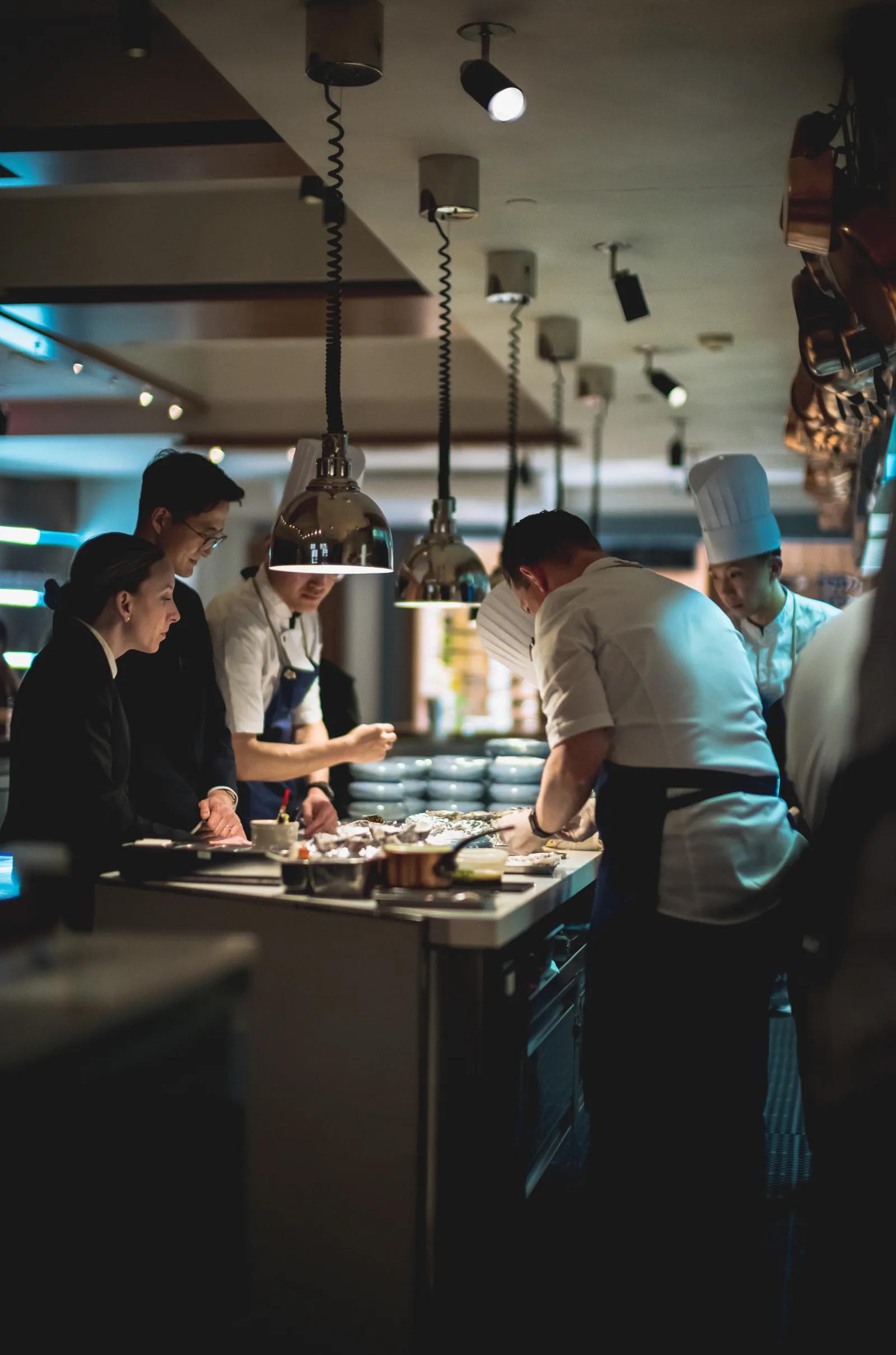
Meanwhile, verify reservation windows and deposit terms well before planning the evening. Many tasting rooms run on tight seatings, which means late arrivals ripple through the entire service. Buffer your schedule to arrive early enough for a calm check-in. If you’re choosing a Chef's Table Experience, confirm whether proximity to the pass affects menu flow or conversation, and decide whether you prefer that immediacy.
Beyond that, align the party size with the room’s rhythm. Smaller groups usually match a tasting cadence more naturally, allowing staff to time courses precisely. If you’re hosting guests with varied preferences, document any nonnegotiable restrictions at booking. In practice, the kitchen may adapt within the creative boundaries of the set progression, but clarity up front avoids mid-service adjustments that tug the tempo.
Next, inspect the beverage vision as carefully as the menu. Some tasting rooms emphasize nuanced pairings that amplify delicate notes; others favor bolder contrasts. Calibrate your tolerance for higher proof pours across multiple courses. If you’re minimizing alcohol, ask about half-pairings or curated nonalcoholic sets. These alternatives keep structure and aroma-focused storytelling intact without overwhelming your palate or budget.
However, refine your expectations about menu disclosure. The most compelling tastings evolve with seasonality, so specifics can shift week to week. Validate how much detail you want before arrival versus experiencing surprises in the moment. If you appreciate narrative, request brief dish summaries; if you favor silence and flow, indicate that preference so service can sequence explanations accordingly.
Then, stage your appetite and timing on the day. A light midday meal prevents both hunger spikes and palate fatigue. Maintain hydration without dulling taste buds; plain water works best. Dress for comfort within the venue’s ambiance, as multi-course pacing rewards ease. For a Fine Dining Experience that emphasizes technique, steady energy helps you stay attentive to textures and temperature contrasts across the arc.
Often, guests overlook acoustics and sightlines. Positioning can influence how you perceive sizzles from the pass, knife-work cadence, or plating aromas drifting table-side. Request seating that suits your conversation style—closer to action for culinary theater, or a bit removed for intimate dialogue. Sequence your evening plans so you can linger after dessert without rushing the final notes.
Additionally, assess service style and how it complements culinary intent. Some teams deliver clipped, efficient explanations, while others share origins and micro-techniques. If you enjoy culinary backstory, invite brief insights; if you prefer continuity, suggest summaries. Maintain a rhythm with utensils and glassware to signal readiness, helping staff verify pacing without verbal interruptions.
Finally, document personal highlights discreetly. A few quick notes about textures, broths, or unexpected pairings build your internal reference for future reservations. When considering a return, compare seasonal shifts to understand the kitchen’s range and evolution. The goal is not to chase a single showstopper, but to appreciate how the whole sequence coheres from amuse-bouche to closing bite, sustaining memory beyond the evening.
In summary, plan with intention, communicate constraints early, and trust the choreography while remaining responsive to your own pace. A thoughtfully scoped evening turns a complex tasting into a seamless journey. Whether you choose counter proximity or classic dining room comfort, the clarity of your aims, the calibration of timing, and the alignment of service style will determine how completely the night resonates.